

Please Leave Us A Message
Privacy statement: Your privacy is very important to Us. Our company promises not to disclose your personal information to any external company with out your explicit permission.
 Huanting Technology (Ningbo) Co., Ltd
Select Language
English


Eco-friendly Spartina masterbatch is a specialized additive designed to enhance the biodegradability of plastic materials using Spartina alterniflora, a type of salt marsh grass. This innovative material allows manufacturers to produce packaging that decomposes naturally in marine environments, reducing long-term pollution while maintaining the performance standards required for industrial applications.
Spartina masterbatch accelerates the breakdown of conventional plastics by introducing natural enzymatic processes that work with existing polymer structures.
Unlike traditional additives, Spartina-based formulations are specifically engineered to degrade effectively in ocean conditions, addressing one of the most persistent environmental challenges.
The masterbatch integrates seamlessly with common thermoplastics like PE, PP, and PS, allowing manufacturers to upgrade their current production lines without major equipment changes.
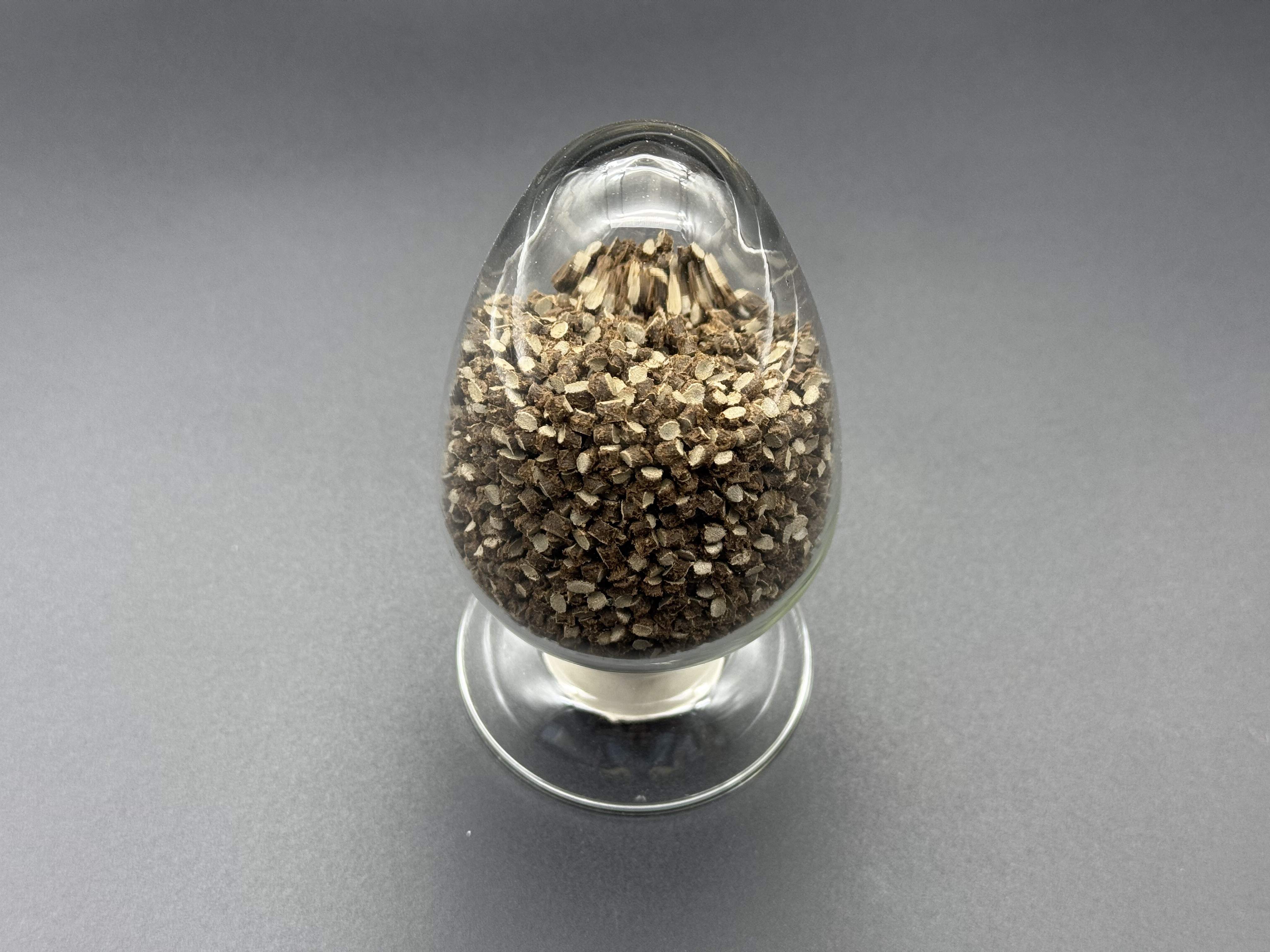
Huanting Technology leverages international research and development expertise to produce high-quality fully biodegradable modified resins. Our manufacturing process converts agricultural waste into valuable raw materials through advanced physical property modification techniques.
Every batch of Spartina masterbatch undergoes comprehensive testing to ensure consistent degradation performance and mechanical properties. We maintain strict control over raw material sourcing, processing parameters, and final product specifications.
Our production facilities prioritize low energy consumption, reduced carbon footprint, and minimal water usage. This commitment to sustainable manufacturing aligns with our mission to create truly recyclable and compostable materials.
Request independent test reports from accredited laboratories. Look for certifications specific to marine biodegradation, such as ISO 22403 or ASTM D6691, which confirm real-world decomposition performance rather than theoretical claims.
Reputable suppliers provide detailed information about their Spartina source, extraction methods, and any additional components in the masterbatch formulation. Full transparency indicates confidence in product safety and environmental impact.
Choose suppliers who offer comprehensive technical assistance, including dosage recommendations, processing temperature guidelines, and troubleshooting support. Strong technical partnerships help optimize your production results.
Ensure your supplier can meet your volume requirements consistently. Ask about lead times, minimum order quantities, and their ability to scale production as your business grows.
Manufacturers use Spartina masterbatch to create biodegradable shopping bags, food packaging, and protective wrapping materials that reduce environmental impact while meeting consumer demand for sustainable options.
Mulch films and greenhouse covers treated with Spartina masterbatch eliminate the need for post-harvest collection and disposal, as they can be plowed directly into soil where they decompose naturally.
From disposable cutlery to cosmetic containers, Spartina-enhanced plastics enable brands to market genuinely eco-friendly products that resonate with environmentally conscious consumers.
Fishing nets, aquaculture equipment, and marine-grade packaging benefit from Spartina masterbatch's superior ocean degradation capabilities, addressing critical pollution sources in aquatic ecosystems.
Many suppliers claim biodegradability without providing verified test data. Inconsistent formulations lead to unpredictable decomposition rates, potentially damaging brand reputation when products fail to break down as expected.
Some Spartina masterbatches require significant adjustments to extrusion temperatures or screw designs. Poor technical support can result in production downtime and wasted material during trial runs.
Raw material availability fluctuates based on seasonal Spartina harvesting cycles. Suppliers without adequate inventory management may face delivery delays that disrupt your production schedule.
Low-priced alternatives often compromise on active ingredient concentration or quality control. Understanding total cost of ownership, including processing efficiency and end-product performance, prevents costly mistakes.
Our team brings world-class research capabilities in natural plant material applications, ensuring cutting-edge formulations that deliver superior biodegradation performance.
We specialize in transforming agricultural waste fibers into high-value biodegradable materials, creating a circular economy model that reduces environmental impact while lowering production costs.
Beyond supplying masterbatch, we offer comprehensive biodegradable product solutions including material selection guidance, processing optimization, and regulatory compliance support.
Our commitment to green living extends beyond products to operations. Low energy consumption, reduced carbon footprint, and minimal water usage define our manufacturing approach.
We insist on using premium agricultural waste materials combined with advanced production processes to manufacture fully degradable materials that exceed customer expectations.
As part of our corporate purpose, we contribute to environmental protection by developing materials that reduce ecological impacts and promote sustainable development across the industry.
Spartina masterbatch contains specialized additives derived from Spartina alterniflora that activate when exposed to marine environments. These additives stimulate microbial activity and accelerate polymer chain breakdown, enabling conventional plastics to decompose in seawater within specified timeframes. Independent laboratory testing validates the actual degradation rates under realistic ocean conditions.
Dosage rates typically range from 1% to 5% depending on the base polymer, desired degradation timeline, and application requirements. Our technical team provides customized recommendations based on your specific production parameters and end-use requirements to optimize both performance and cost efficiency.
When properly formulated and dosed, Spartina masterbatch has minimal impact on tensile strength, flexibility, and other key mechanical properties. Extensive testing ensures that biodegradable products maintain sufficient durability for their intended applications throughout their useful life before degradation begins.
Yes, Spartina masterbatch is compatible with both virgin and recycled polymer streams. Incorporating it into recycled plastic production creates a fully circular solution where post-consumer waste can be processed into new biodegradable products, further reducing environmental impact.
Prioritize suppliers who provide third-party certified test reports for marine biodegradation (ISO 22403, ASTM D6691), compostability (EN 13432, ASTM D6400), and toxicity assessments. Reputable manufacturers like Huanting Technology maintain up-to-date documentation and welcome independent verification of their claims.
Store in a cool, dry place away from direct sunlight and moisture. Maintain packaging integrity until ready for use. Typical shelf life ranges from 12 to 24 months when stored according to manufacturer specifications. Avoid exposure to extreme temperatures that could affect additive stability.
Privacy statement: Your privacy is very important to Us. Our company promises not to disclose your personal information to any external company with out your explicit permission.
Fill in more information so that we can get in touch with you faster
Privacy statement: Your privacy is very important to Us. Our company promises not to disclose your personal information to any external company with out your explicit permission.