


Please Leave Us A Message
Privacy statement: Your privacy is very important to Us. Our company promises not to disclose your personal information to any external company with out your explicit permission.
 Huanting Technology (Ningbo) Co., Ltd
Select Language
English


Seashell straw is a specialized category of biodegradable tableware crafted from natural agricultural waste and modified resin materials. Unlike traditional plastic straws that persist in the environment for centuries, these alternatives are designed to decompose fully within months under composting conditions or even in marine environments.
For beverage manufacturers and hospitality businesses, switching to seashell straw solutions addresses two critical challenges: regulatory compliance with single-use plastic bans and consumer demand for sustainable packaging. These products maintain the structural integrity required for cold beverages while offering a genuine eco-friendly alternative that aligns with corporate sustainability goals.
Procurement Advantage: By sourcing seashell straw products made from plant fiber materials, buyers reduce their carbon footprint without compromising on product performance or shelf appeal. The low-energy production process also translates to lower landed costs compared to premium paper-based alternatives.
Our seashell straws utilize fully biodegradable modified resin derived from agricultural waste fibers. They decompose completely in ocean environments, addressing the growing concern about microplastic pollution in marine ecosystems.
The manufacturing process consumes significantly less energy, water, and generates lower carbon emissions compared to conventional plastic production. This efficiency helps your brand meet Scope 3 emission reduction targets.
By converting agricultural waste into high-value products, we create a circular economy model. This not only reduces waste disposal costs for farming communities but also provides you with a supply chain story that resonates with conscious consumers.
Huanting Technology (Ningbo) Co., Ltd leverages an international R&D team specializing in natural plant raw material applications. Our seashell straw production begins with carefully selected agricultural waste fibers, processed through advanced physical property conversion technologies.
The production facility employs fully biodegradable materials and modified resin formulations that ensure consistent batch quality. Each production run undergoes rigorous testing for mechanical strength, thermal stability, and decomposition rates to meet international standards for biodegradable products.
Our commitment to environmental stewardship extends beyond the product itself. The manufacturing process is designed to minimize water consumption and energy usage, supporting buyers who need to demonstrate comprehensive sustainability across their value chain.
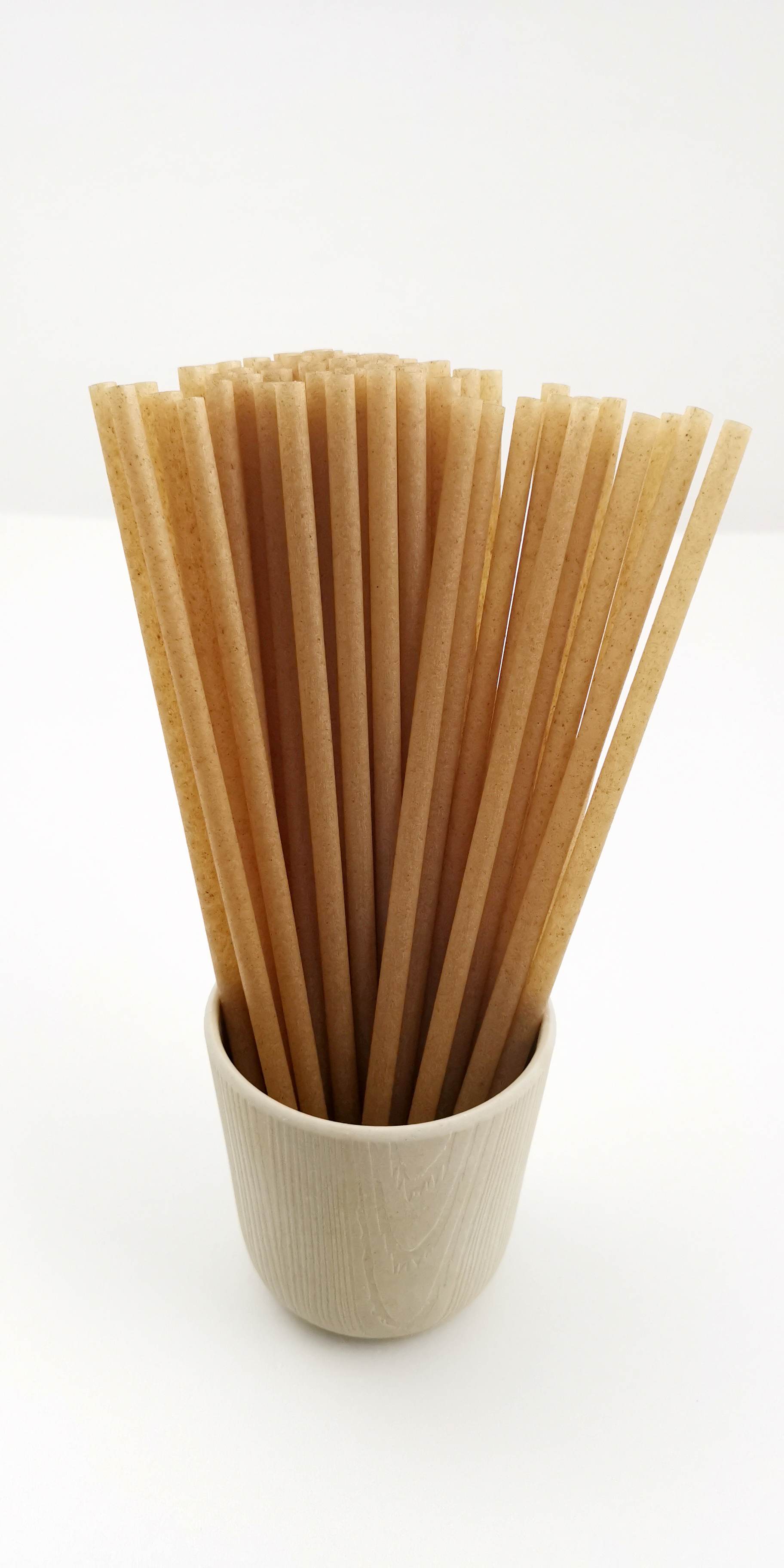
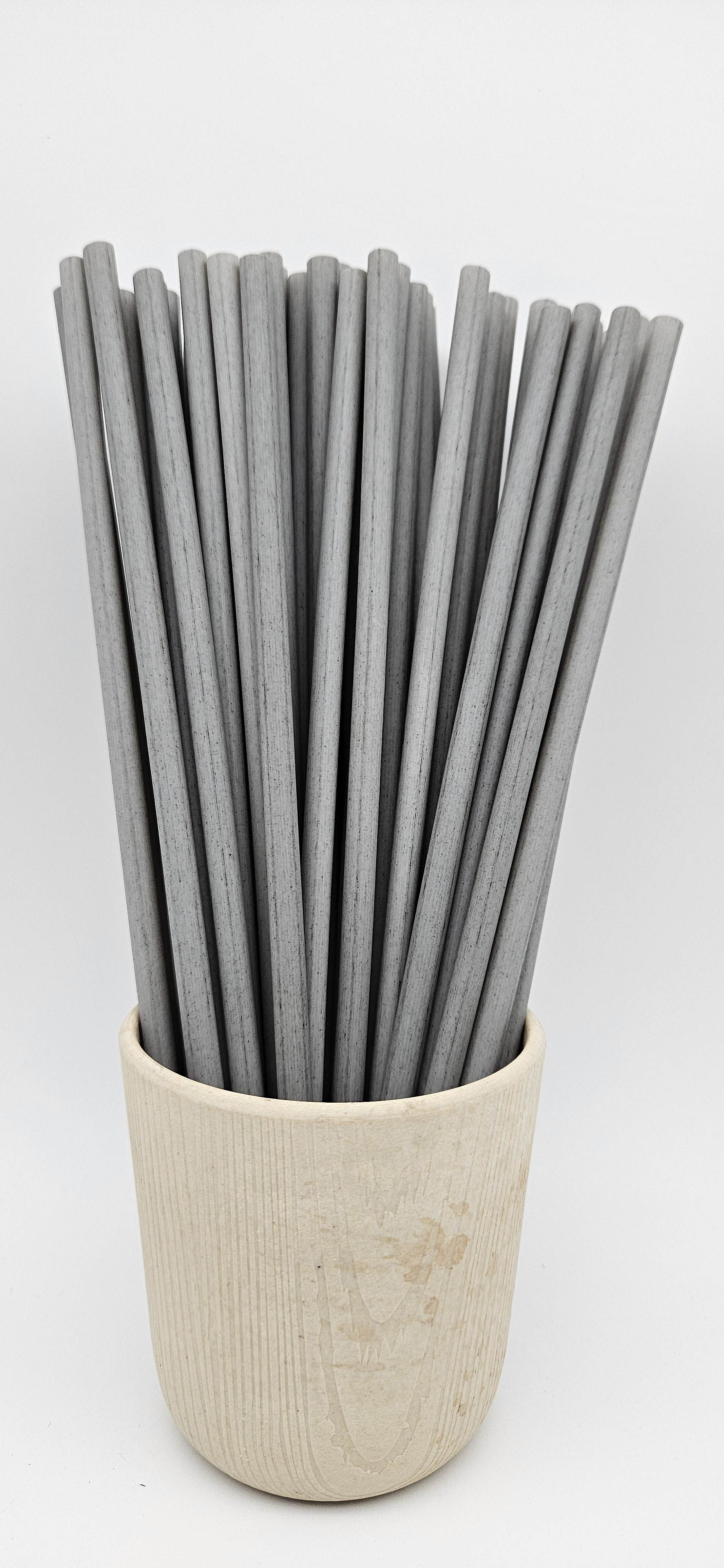
Not all "eco-friendly" straws are created equal. When evaluating seashell straw suppliers, request specific decomposition data including timeframes for composting versus marine degradation. Look for suppliers who use fully biodegradable modified resin rather than conventional plastics with additives.
A supplier with dedicated research and development teams in natural plant applications can offer continuous product improvements and custom formulations. This capability is crucial for buyers seeking long-term partnerships and innovative packaging solutions.
Choose manufacturers who trace their raw materials back to agricultural sources. Transparent supply chains enable accurate carbon footprint calculations and provide compelling storytelling for end consumers concerned about product origins.
Many suppliers market conventional plastic straws as "biodegradable" using misleading terminology. Genuine seashell straw products must demonstrate actual decomposition through third-party testing. Always request verified certificates and test reports from accredited laboratories before placing orders.
Some biodegradable modified resin formulations lack thermal stability, causing straws to soften or dissolve when exposed to hot liquids. Clearly specify beverage temperature requirements during procurement and request heat resistance test data from your supplier.
Natural plant fiber variations can lead to inconsistencies between production batches. Work with suppliers who implement strict quality control protocols and maintain standardized raw material sourcing to ensure uniform product performance across orders.
Dependence on agricultural waste materials may expose buyers to seasonal supply fluctuations. Establish relationships with manufacturers who maintain buffer stock and diversified sourcing networks to mitigate disruption risks during peak demand periods.
Biodegradable seashell straws typically carry higher upfront costs than conventional plastic alternatives. However, factor in potential regulatory penalties avoided, brand value enhancement, and consumer loyalty gains when calculating total cost of ownership.
Coffee shops, juice bars, and smoothie restaurants increasingly adopt seashell straw solutions to align with sustainability commitments. The aesthetic appeal of plant-based materials enhances brand positioning among environmentally conscious consumers.
Large-scale catering operations benefit from the durability and presentation quality of biodegradable modified resin straws. These products withstand extended service times while maintaining visual appeal throughout meal service.
Supermarkets and convenience stores stocking pre-packaged beverages require compliant straws that meet regional plastic regulations. Seashell straw products offer retailers a ready-to-sell solution that appeals to eco-aware shoppers.
Hotels and resorts implementing zero-waste initiatives source seashell straw products for minibar services and room amenities. The ocean-decomposable nature of these materials supports marine conservation messaging.
Music festivals and outdoor events face increasing pressure to eliminate single-use plastics. Bulk seashell straw procurement enables event organizers to create truly sustainable experiences without sacrificing guest convenience.
Online retailers incorporating sustainable packaging into their unboxing experiences select biodegradable straws as complementary items. The unique plant-fiber narrative adds value to customer delivery packages.
Specialization: International R&D team focused on natural plant raw material applications and agricultural waste conversion technology.
Key Strengths:
Best For: Buyers prioritizing genuine environmental impact and seeking long-term sustainable partnerships with innovation-focused manufacturers.
When considering other seashell straw suppliers, apply these verification steps:
Yes, genuine seashell straw products made from fully biodegradable modified resin and plant fiber materials can decompose in ocean environments. However, decomposition rates vary based on water temperature, microbial activity, and exposure conditions. Reputable suppliers provide third-party test reports documenting marine degradation performance over specified timeframes.
When stored in proper conditions (cool, dry, away from direct sunlight), seashell straw products typically maintain quality for 12-24 months. The exact shelf life depends on the specific modified resin formulation and packaging integrity. Suppliers should provide expiration date guidelines and storage recommendations.
Performance varies by formulation. Some biodegradable modified resin products handle temperatures up to 80°C (176°F) without significant softening, while others are optimized for cold beverages only. Always verify thermal specifications with your supplier before specifying straws for hot drink applications.
Seashell straw products typically cost 20-50% more than conventional plastic straws per unit. However, this premium reflects genuine material costs, environmental benefits, and regulatory compliance. Many buyers find the investment justified by enhanced brand perception, consumer loyalty, and avoidance of plastic taxes or penalties.
MOQs vary by manufacturer but typically range from 50,000 to 500,000 units depending on customization requirements. Standard unbranded seashell straws usually have lower MOQs, while custom-printed or specially sized products require larger initial orders to cover setup costs.
Most manufacturers offer OEM services including custom printing, color matching, and packaging design. Plant fiber materials accept water-based inks well, allowing vibrant branding that maintains the natural aesthetic appeal. Discuss your branding requirements early in the sourcing process to ensure compatibility with production capabilities.
Privacy statement: Your privacy is very important to Us. Our company promises not to disclose your personal information to any external company with out your explicit permission.
Fill in more information so that we can get in touch with you faster
Privacy statement: Your privacy is very important to Us. Our company promises not to disclose your personal information to any external company with out your explicit permission.