

Please Leave Us A Message
Privacy statement: Your privacy is very important to Us. Our company promises not to disclose your personal information to any external company with out your explicit permission.
 Huanting Technology (Ningbo) Co., Ltd
Select Language
English


Degradable reed pellets are specialized raw materials designed for the production of eco-friendly agricultural films and packaging solutions. Unlike traditional plastics that persist in the environment for centuries, these pellets are engineered to break down naturally into organic matter through microbial action.
Our company leverages advanced research and development in natural plant applications to create fully biodegradable modified resins. These materials offer a sustainable alternative for manufacturers looking to reduce their environmental footprint while maintaining the performance standards required for modern agriculture and industrial applications.
The core advantage lies in our ability to convert agricultural waste fibers into high-quality degradable materials. This process not only reduces carbon footprint but also creates a circular economy where waste becomes a valuable resource for producing compostable products.
Our manufacturing facility implements rigorous quality control measures at every stage of production. From raw material sourcing to final pellet formation, we ensure consistent quality that meets international standards for biodegradable materials.
We utilize state-of-the-art extrusion technology to produce fully biodegradable modified resin with precise molecular weight distribution. This ensures optimal mechanical properties and controlled degradation rates tailored to specific application requirements.
Our commitment to sustainability extends to our supply chain. We source agricultural waste fibers from verified suppliers who follow responsible farming practices. This approach guarantees both product quality and environmental integrity throughout the production cycle.
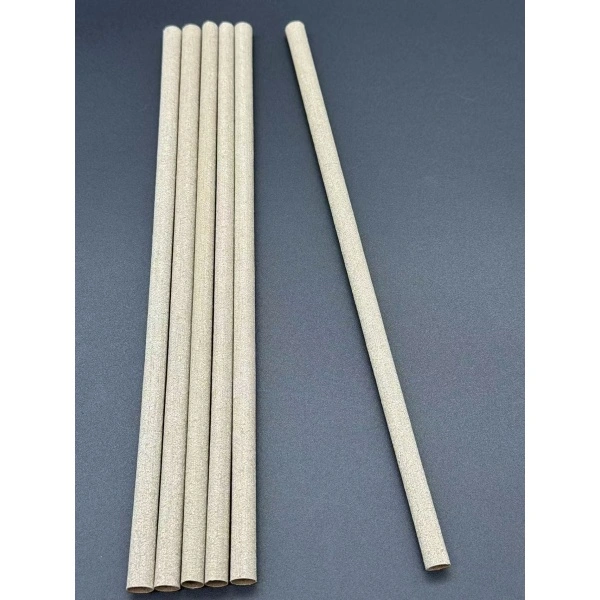
Selecting the right degradable reed pellets requires careful consideration of several technical factors. Understanding these parameters will help you make informed decisions that balance performance requirements with environmental goals.
Different applications require different degradation timelines. Agricultural mulch films may need 3-6 month degradation cycles, while packaging materials might require longer shelf life. Our team can recommend formulations based on your specific usage timeline and environmental conditions.
Tensile strength, elongation, and tear resistance are critical factors for film performance. We provide detailed technical data sheets for each product formulation, allowing your engineering team to verify compatibility with your existing processing equipment.
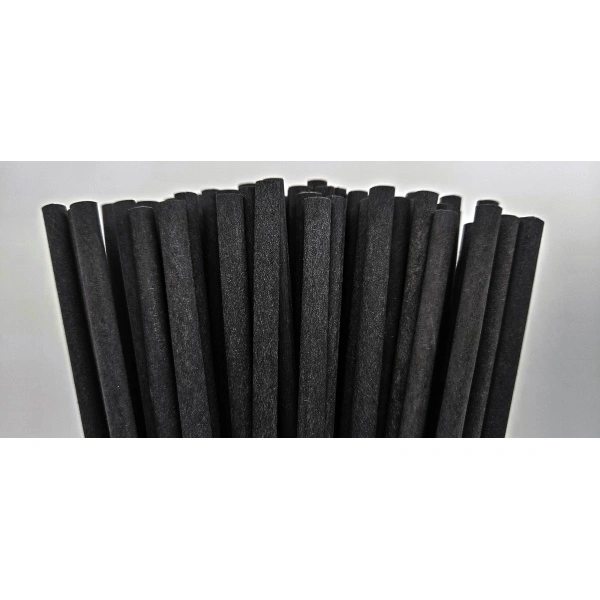
Use this comprehensive checklist when evaluating potential suppliers of degradable reed pellets. Each criterion addresses key concerns that impact your procurement efficiency, production costs, and environmental compliance.
Many buyers encounter challenges when transitioning from conventional plastics to degradable alternatives. Understanding these common issues helps you avoid costly mistakes and ensures a smoother procurement experience.
Problem: Some suppliers claim rapid degradation but fail to deliver consistent results across batches. This variability can damage your brand reputation if products degrade too quickly during storage or transport.
Solution: Request comprehensive degradation test reports from independent laboratories. Verify that the supplier maintains strict quality control over their raw material sourcing and production processes.
Problem: Degradable materials often require different processing temperatures and parameters compared to conventional plastics. Mismatched settings can lead to poor film quality and production inefficiencies.
Solution: Work with suppliers who provide detailed processing guidelines and offer technical support during initial production runs. Many reputable manufacturers include processing optimization as part of their service package.
Problem: The market contains products with exaggerated or unverified "biodegradable" claims. Using such materials can expose you to regulatory risks and greenwashing accusations.
Solution: Always request third-party certification documents and verify them directly with certifying bodies. Prefer suppliers who participate in recognized industry programs and maintain transparent supply chains.
Problem: Degradable materials may have shorter shelf lives than conventional plastics, particularly in humid or warm storage conditions. Premature degradation can result in material waste and increased costs.
Solution: Discuss storage requirements with your supplier and implement proper warehouse conditions. Most suppliers recommend temperature-controlled storage below 25°C with humidity levels under 60%.
Degradable reed pellets serve diverse industries seeking sustainable packaging and agricultural solutions. Their versatility makes them suitable for various applications where environmental responsibility is paramount.
Mulch films, greenhouse covers, and crop protection wraps benefit from controlled degradation rates that eliminate post-harvest removal costs. Farmers appreciate the reduced labor requirements and improved soil health from in-situ decomposition.
E-commerce packaging, retail bags, and food containers made from degradable materials meet growing consumer demand for sustainable options. These products decompose in commercial composting facilities within specified timeframes.
Pallet wrapping, stretch films, and protective coatings for logistics operations reduce plastic waste in supply chains. Companies using these materials demonstrate commitment to environmental stewardship in their operations.
Household trash bags, garden waste bags, and compostable liners address municipal waste management challenges. Municipalities benefit from reduced landfill burden and improved recycling stream contamination rates.
Specialized formulations designed for ocean degradation address marine pollution concerns. These products break down safely in seawater environments, protecting marine ecosystems from persistent plastic pollution.
Sterilizable degradable packaging for medical devices combines safety requirements with environmental benefits. Healthcare facilities reduce their environmental impact while maintaining strict hygiene standards.
Choosing the right supplier is crucial for ensuring consistent quality and reliable supply of degradable reed pellets. Consider these key factors when evaluating potential partners for your biodegradable materials needs.
Prioritize suppliers with dedicated R&D teams focused on improving material performance and reducing production costs. Innovation-driven companies stay ahead of regulatory changes and market demands, offering you access to cutting-edge formulations.
Look for suppliers who invest continuously in technological advancement and maintain partnerships with research institutions. This commitment to innovation translates to better product performance and long-term supply stability.
Verify that your supplier has adequate production capacity to meet your volume requirements without compromising quality. Large-scale manufacturers typically offer more competitive pricing and better supply chain resilience.
Consider suppliers with multiple production lines and backup facilities. This redundancy ensures continuous supply even during maintenance periods or unexpected disruptions, protecting your production schedule.
Demand comprehensive quality documentation including batch test reports, material certificates, and traceability information. Suppliers with robust QA systems provide peace of mind and simplify your own quality management processes.
Evaluate their approach to continuous improvement and corrective actions. Suppliers who proactively address quality issues and implement preventive measures demonstrate higher reliability and commitment to customer satisfaction.
Choose suppliers with proven track records serving international clients across different markets and applications. Their experience navigating diverse regulatory environments and customer expectations indicates maturity and reliability.
Request customer references and case studies demonstrating successful long-term partnerships. Established suppliers with satisfied customers are more likely to provide consistent service and support throughout your engagement.
Get answers to common questions about sourcing, processing, and using degradable reed pellets for your manufacturing needs.
Look for compostability certifications such as EN 13432 (European standard), ASTM D6400 (US standard), or AS 4736 (Australian standard). These certifications verify that the material will decompose under specific conditions within defined timeframes. Additionally, check for ISO 14001 environmental management certification and material safety data sheets (MSDS).
Modern degradable pellets offer comparable mechanical properties to conventional plastics, including tensile strength, elongation, and barrier properties. However, they may have slightly different processing characteristics and shorter shelf lives. The key advantage is their ability to decompose naturally after use, eliminating long-term environmental impact while maintaining performance during their intended service life.
Standard lead times range from 15-30 days for established products, depending on order volume and current production schedules. Custom formulations may require additional time for development and testing. We recommend placing orders well in advance of your production needs and maintaining buffer stock to account for any supply chain variations.
Most degradable pellets can be processed on standard plastic processing equipment with minor adjustments to temperature settings and processing speeds. However, some formulations may require specific screw designs or barrel configurations for optimal performance. Consult with your supplier for detailed processing guidelines and consider requesting sample testing before committing to full-scale production.
Store degradable pellets in a cool, dry place away from direct sunlight. Ideal storage conditions include temperatures below 25°C and humidity levels under 60%. Avoid storing near heat sources or in areas with poor ventilation. Proper storage significantly extends shelf life and maintains material performance. Most suppliers recommend using materials within 12 months of delivery date.
Degradable pellets typically cost 10-30% more than conventional plastics, though prices vary based on formulation, volume, and market conditions. However, total cost of ownership may be lower when considering waste disposal savings, regulatory compliance benefits, and potential premium pricing for eco-friendly products. Bulk purchasing agreements and long-term contracts can further reduce unit costs.
Privacy statement: Your privacy is very important to Us. Our company promises not to disclose your personal information to any external company with out your explicit permission.
Fill in more information so that we can get in touch with you faster
Privacy statement: Your privacy is very important to Us. Our company promises not to disclose your personal information to any external company with out your explicit permission.