

Please Leave Us A Message
Privacy statement: Your privacy is very important to Us. Our company promises not to disclose your personal information to any external company with out your explicit permission.
 Huanting Technology (Ningbo) Co., Ltd
Select Language
English


Fully degradable agricultural black mulching material is a specialized ground cover designed to suppress weeds, retain soil moisture, and regulate temperature while eliminating the need for post-harvest removal. Unlike traditional polyethylene films that persist in the soil for decades, these advanced solutions are engineered from natural plant fibers and biodegradable modified resins.
Once the growing season concludes, this mulch can be tilled directly into the earth or composted. It undergoes complete decomposition, returning organic matter to the soil rather than leaving behind microplastic residue. For modern agriculture, switching to fully decomposable mulch reduces labor costs associated with film collection and significantly lowers the environmental footprint of farming operations.
As an international research and development team specializing in natural plant raw materials, Huanting Technology (Ningbo) Co., Ltd. delivers high-performance mulching materials that balance durability during use with reliable degradation afterward.
Our manufacturing process converts agricultural waste fibers into products that are truly recycled, composted, and fully decomposed. This approach not only protects the ecological balance but also helps you reduce your landed cost by removing the expense of manual plastic cleanup.
Key Buyer Benefits:
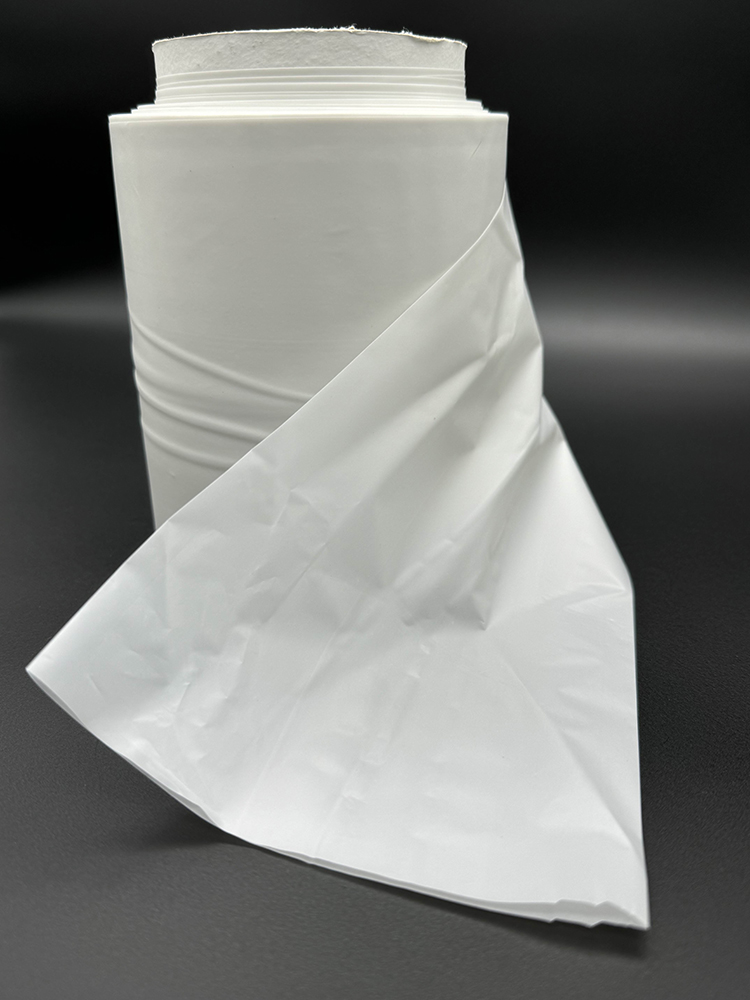
Backed by top-notch research capabilities, we continuously innovate physical properties of natural agricultural waste conversion technology.
We insist on using advanced production processes to manufacture high-quality fully degradable materials that meet exact customer specifications.
Our materials are produced with low energy consumption and low water usage, ensuring a sustainable lifecycle from raw material to decomposition.
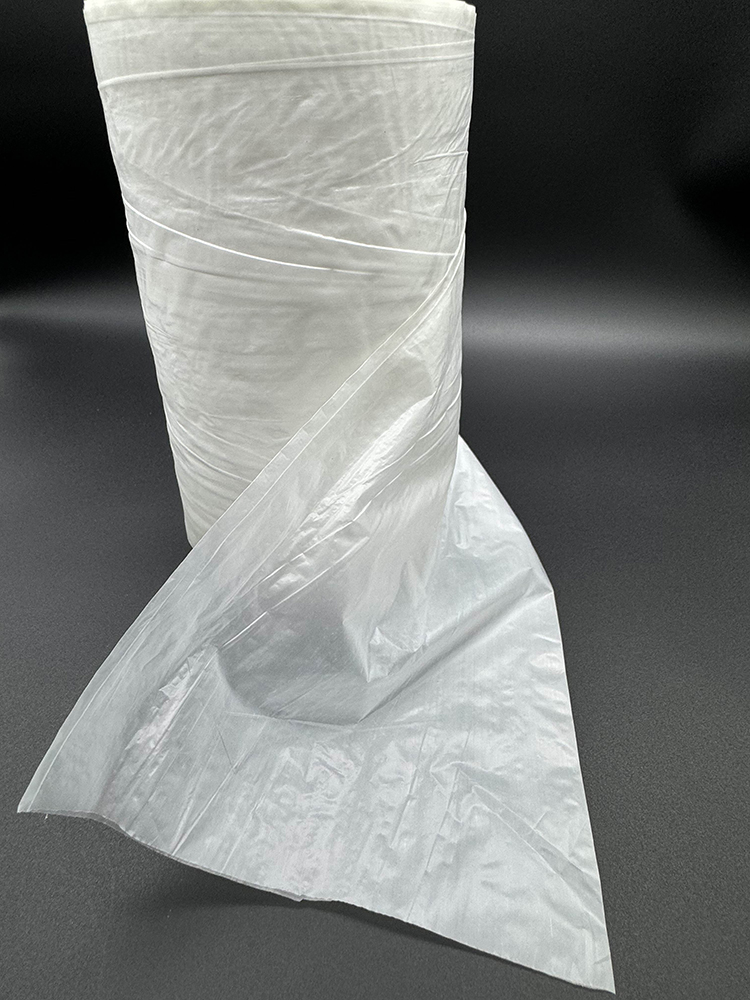
Selecting the correct mulch involves balancing mechanical strength during the growing season with predictable degradation rates. Buyers should evaluate the following factors to ensure compatibility with their specific crops and machinery.
Ensure the decomposition rate matches your crop cycle. The film must remain intact until harvest but break down quickly when tilled into the soil.
For outdoor applications, the material must withstand prolonged sun exposure without becoming brittle prematurely.
Verify that the film thickness and tensile strength allow for standard automated planting and harvesting equipment.
Ideal for high-value vegetable crops where weed suppression is critical and soil contamination must be avoided.
Provides consistent moisture retention under trees and vines, reducing irrigation needs and labor costs.
Used in public and private landscaping projects to maintain aesthetic appeal without leaving plastic debris.
Essential for farms pursuing organic certification, which often restricts or bans conventional synthetic plastics.
Use this checklist to validate potential suppliers and product specifications before placing large orders.
Prioritize partners who demonstrate commitment to innovation and sustainability.
Problem: Film breaks down before harvest is complete.
Solution: Specify UV-stabilized grades and match degradation timeline to crop duration.
Problem: Film tears during installation or wind exposure.
Solution: Test samples for tear resistance and choose thicker gauges for windy regions.
Problem: Residue remains in soil after tillage.
Solution: Source from manufacturers using verified agricultural waste fiber blends.
Problem: Late deliveries miss planting windows.
Solution: Establish long-term contracts with suppliers who have stable production lines.
Look for suppliers with dedicated research teams focusing on natural plant raw materials and physical property optimization.
Prioritize manufacturers who convert agricultural waste fibers, supporting circular economy and reducing raw material costs.
Choose partners who provide comprehensive biodegradable product solutions, including technical guidance and custom formulations.
Unlike traditional plastics, fully degradable mulch enriches the soil as it breaks down. It adds organic matter, improves water retention, and promotes microbial activity, leading to healthier crops over multiple seasons.
Yes, most fully biodegradable modified resins are engineered to match the mechanical properties of conventional plastics. They can typically be handled by standard transplanters and harvested via standard tillage equipment.
When stored properly in a cool, dry place away from direct sunlight, these materials can last 12-24 months. Exposure to UV light and moisture during storage will accelerate the degradation process.
Depending on the destination market, certifications such as EN 13432 (Europe), ASTM D6400 (USA), or JIS K 0204 (Japan) may be required to verify the biodegradability claims. Reputable suppliers should provide test reports upon request.
While the initial material cost per roll may be slightly higher, the total cost of ownership is often lower due to savings on labor for removal and disposal, as well as potential compliance benefits with environmental regulations.
Privacy statement: Your privacy is very important to Us. Our company promises not to disclose your personal information to any external company with out your explicit permission.
Fill in more information so that we can get in touch with you faster
Privacy statement: Your privacy is very important to Us. Our company promises not to disclose your personal information to any external company with out your explicit permission.