

Please Leave Us A Message
Privacy statement: Your privacy is very important to Us. Our company promises not to disclose your personal information to any external company with out your explicit permission.
 Huanting Technology (Ningbo) Co., Ltd
Select Language
English


Fully biodegradable bamboo charcoal seedling bags represent the next generation of sustainable agricultural packaging. Unlike traditional plastic nursery pots that persist in landfills for centuries, these innovative bags are engineered to decompose naturally within a short period after use. They offer farmers and gardeners a reliable solution for plant cultivation that aligns with modern environmental standards.
Crafted from advanced natural plant raw materials and modified resin technology, these bags provide the structural integrity needed for robust root development while ensuring zero waste at the end of their lifecycle. As an international leader in natural plant application research, Huanting Technology has developed materials that truly recycle agricultural waste into high-performance products.
These bags are designed to be planted directly into the soil. As they break down, they enrich the earth with organic matter rather than releasing microplastics. This eliminates the need for transplant shock and reduces labor costs associated with removing non-biodegradable containers.
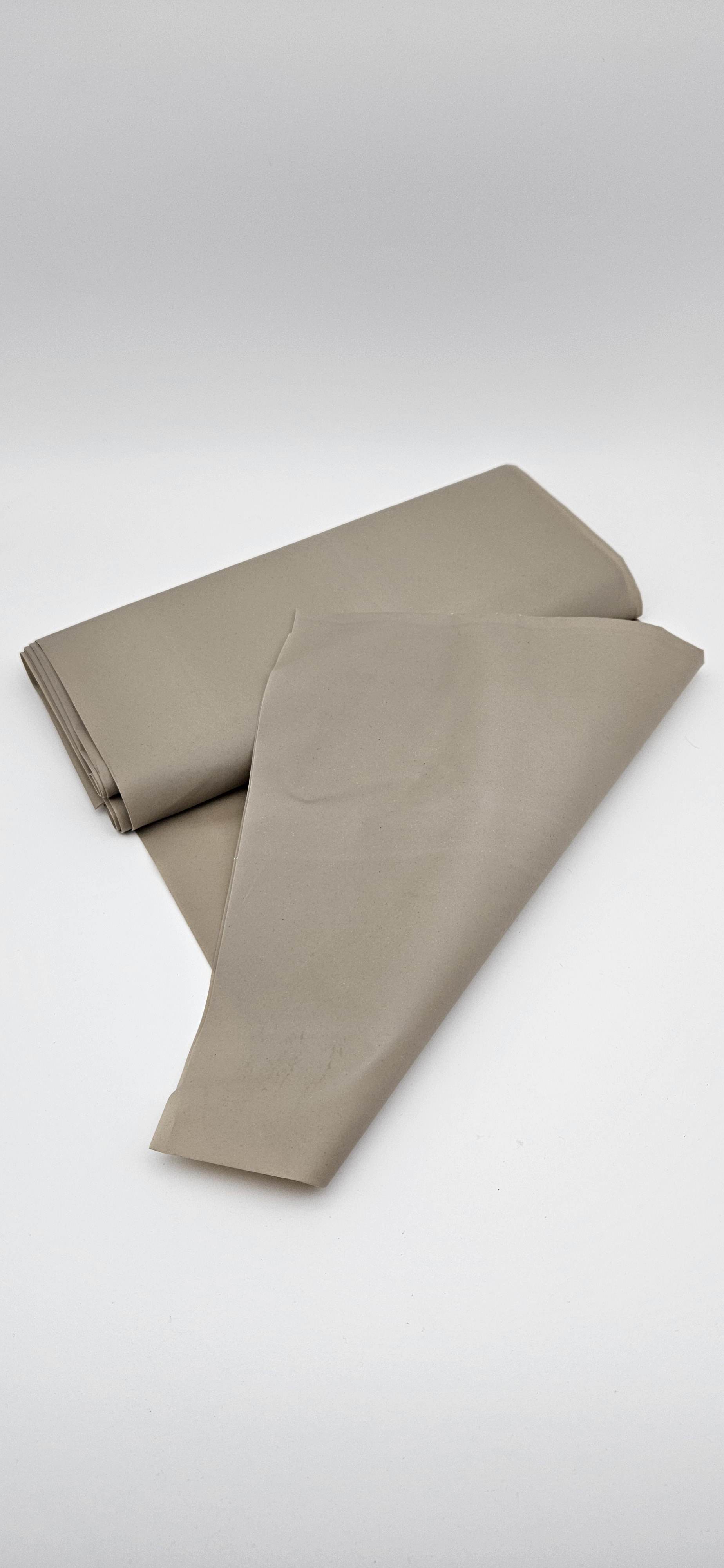
Our manufacturing facility is backed by an international top-notch research and development team specializing in natural plants as raw materials. We focus on the research and application of various physical properties of natural agricultural waste conversion technology materials. This ensures every batch of fully biodegradable modified resin meets rigorous performance benchmarks.
We create new materials that can truly be recycled, composted, and fully decomposed. By recycling agricultural waste fibers into products that can be composted and completely decomposed—even in the ocean—we significantly lower the carbon footprint of your supply chain. Our production process emphasizes low energy consumption, low carbon footprint, and low water consumption.
We insist on using agricultural waste materials and advanced production processes to manufacture high-quality fully degradable materials. This commitment allows us to meet customers' needs and expectations for durability during use while guaranteeing rapid decomposition after disposal.
Not all "green" labels are created equal. When sourcing fully biodegradable bamboo charcoal seedling bags, verify that the material composition includes verified agricultural waste fibers and modified resin. Ensure the supplier provides clear decomposition timelines and conditions (e.g., industrial compost vs. home compost). Look for manufacturers who explicitly state their ability to decompose in natural environments, including ocean conditions, which indicates superior material engineering.
The bag must maintain its shape throughout the seedling's growth cycle. Check for specifications regarding moisture resistance and tensile strength. High-quality bags will resist premature breakdown while wet but soften quickly once buried. Ask suppliers about the ratio of plant fiber to binding agents to ensure a balance between durability and degradability.
Different crops require different bag sizes and shapes. A reliable supplier should offer OEM/ODM services to tailor dimensions, porosity, and nutrient integration to your specific crop requirements. Confirm their capacity to handle large-scale orders with consistent quality control across batches.
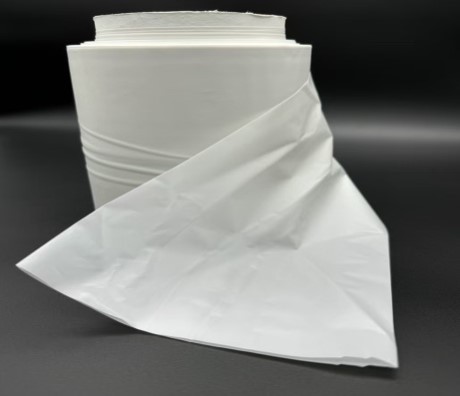
Use this checklist to evaluate potential suppliers of fully biodegradable bamboo charcoal seedling bags before placing bulk orders.
Fully biodegradable bamboo charcoal seedling bags are versatile enough to serve a wide range of agricultural and horticultural sectors. Their unique material properties make them ideal for applications where soil health and environmental impact are paramount.
Large-scale tree planting operations benefit from direct-planting bags that eliminate transplant shock. The bamboo charcoal component can enhance soil structure and water retention as it decomposes, supporting higher survival rates for saplings.
Certified organic farms require inputs that do not contaminate the soil with synthetic residues. These fully biodegradable bags align perfectly with organic certification standards, allowing farmers to maintain compliance while reducing waste disposal costs.
Municipal landscaping projects increasingly prioritize sustainability. Using biodegradable nursery bags reduces the volume of green waste sent to landfills and supports corporate social responsibility (CSR) goals for eco-friendly urban development.
Retailers selling to home gardeners can market these bags as a hassle-free solution. Gardeners can simply plant the entire bag into the ground, saving time and effort while contributing to a cleaner environment.
Restoration projects in sensitive ecosystems require materials that pose no risk to wildlife or waterways. Our bags' ability to decompose even in ocean conditions makes them safe for coastal and wetland restoration initiatives.
Schools and universities use these bags for biology and environmental science programs, providing students with hands-on experience in sustainable agriculture and material science.
Navigating the market for fully biodegradable bamboo charcoal seedling bags can present challenges. Here are common issues buyers face and how to resolve them.
Problem: Bags breaking down too early during storage or transport due to humidity.
Solution: Specify moisture-resistant coating options and store bags in dry, climate-controlled warehouses. Ensure the supplier uses modified resin technology that balances degradation speed with practical shelf life.
Problem: Variations in thickness or strength between production runs.
Solution: Partner with manufacturers who have rigorous QC protocols and R&D teams. Request sample batches for testing before committing to large orders. Verify that the supplier uses standardized agricultural waste fiber processing.
Problem: Suppliers claiming "biodegradable" without verifiable proof.
Solution: Demand third-party certifications and laboratory test results. Look for suppliers like Huanting Technology who explicitly detail their decomposition pathways and raw material sources. Avoid vague marketing language.
When selecting a partner for fully biodegradable bamboo charcoal seedling bags, prioritize suppliers who demonstrate deep expertise in natural plant applications and sustainable manufacturing.
Seek a company with an international R&D team focused on natural plants as raw materials. They should continuously pursue technological innovation to promote the sustainable development of the fully degradable materials industry. This ensures you receive cutting-edge products that improve over time.
Choose a supplier who practices circular economy principles. They should recycle agricultural waste fibers into products that create new generation value. This approach not only reduces environmental impact but also stabilizes raw material costs and supply chain resilience.
Opt for a vendor who offers full biodegradable product solutions, including modified resin, plant fiber materials, and custom design services. This simplifies your procurement workflow and ensures compatibility between all components of your packaging system.
Support enterprises that care about social responsibility and employee development. Companies that give back to society and practice green living advocacy are more likely to maintain high ethical standards and long-term business stability.
Decomposition time varies based on soil conditions, temperature, and moisture, but typically these bags break down within 3-6 months after being planted. The bamboo charcoal component accelerates microbial activity, enhancing soil health as it decomposes. Our modified resin technology ensures the bag remains intact during the critical seedling growth phase while breaking down rapidly thereafter.
Yes, our fully biodegradable modified resin products are designed for commercial scale applications. With scalable production capacity and consistent quality control, we support large-volume orders for forestry, agriculture, and landscaping projects. The direct-planting feature reduces labor costs significantly compared to traditional plastic pots.
Absolutely. We offer OEM/ODM services to customize bag dimensions, shapes, and material compositions to fit your specific crop requirements. Whether you need small pots for herbs or large bags for tree saplings, our advanced production processes can accommodate various specifications while maintaining biodegradability standards.
No. Our bags are made from agricultural waste fibers and fully biodegradable materials. They are free from microplastics and harmful chemicals. The products are designed to decompose safely in the environment, including ocean conditions, without leaving toxic residues. This makes them safe for organic farming and ecosystem restoration projects.
MOQ requirements vary based on customization level and production scheduling. For standard sizes, we offer flexible MOQs to accommodate both pilot projects and large-scale deployments. Contact our sales team for specific pricing and quantity details tailored to your project scope.
Bamboo charcoal improves soil structure, enhances water retention, and provides a habitat for beneficial microorganisms. As the bag decomposes, the charcoal integrates into the soil, acting as a natural fertilizer amendment that promotes healthier root development and improved crop yields over time.
Privacy statement: Your privacy is very important to Us. Our company promises not to disclose your personal information to any external company with out your explicit permission.
Fill in more information so that we can get in touch with you faster
Privacy statement: Your privacy is very important to Us. Our company promises not to disclose your personal information to any external company with out your explicit permission.