

Please Leave Us A Message
Privacy statement: Your privacy is very important to Us. Our company promises not to disclose your personal information to any external company with out your explicit permission.
 Huanting Technology (Ningbo) Co., Ltd
Select Language
English


Fully biodegradable fiber represents the next generation of sustainable textile materials, designed to completely decompose in natural environments without leaving toxic residues. Unlike conventional synthetic fibers that persist in landfills for centuries, these advanced plant-based materials return to the earth through composting or marine degradation processes.
Derived from agricultural waste and renewable plant sources, fully biodegradable fiber offers manufacturers a way to meet growing environmental regulations while maintaining high-performance standards. For procurement teams, this means sourcing materials that align with global sustainability goals and circular economy principles.
The production process converts natural agricultural waste into versatile materials with low energy consumption, low carbon footprint, and minimal water usage. This approach not only reduces environmental impact but also provides supply chain resilience by utilizing abundant, renewable raw materials.
Our international R&D team specializes in natural plant applications, focusing on physical properties of agricultural waste conversion technology. This expertise ensures consistent quality across all fully biodegradable fiber products.
We maintain strict quality standards using agricultural waste materials combined with advanced production processes. Every batch undergoes testing to verify complete degradability and performance consistency.
Our manufacturing capabilities support both small-scale prototyping and large-volume orders, ensuring reliable supply chain partnerships for buyers requiring consistent material availability.
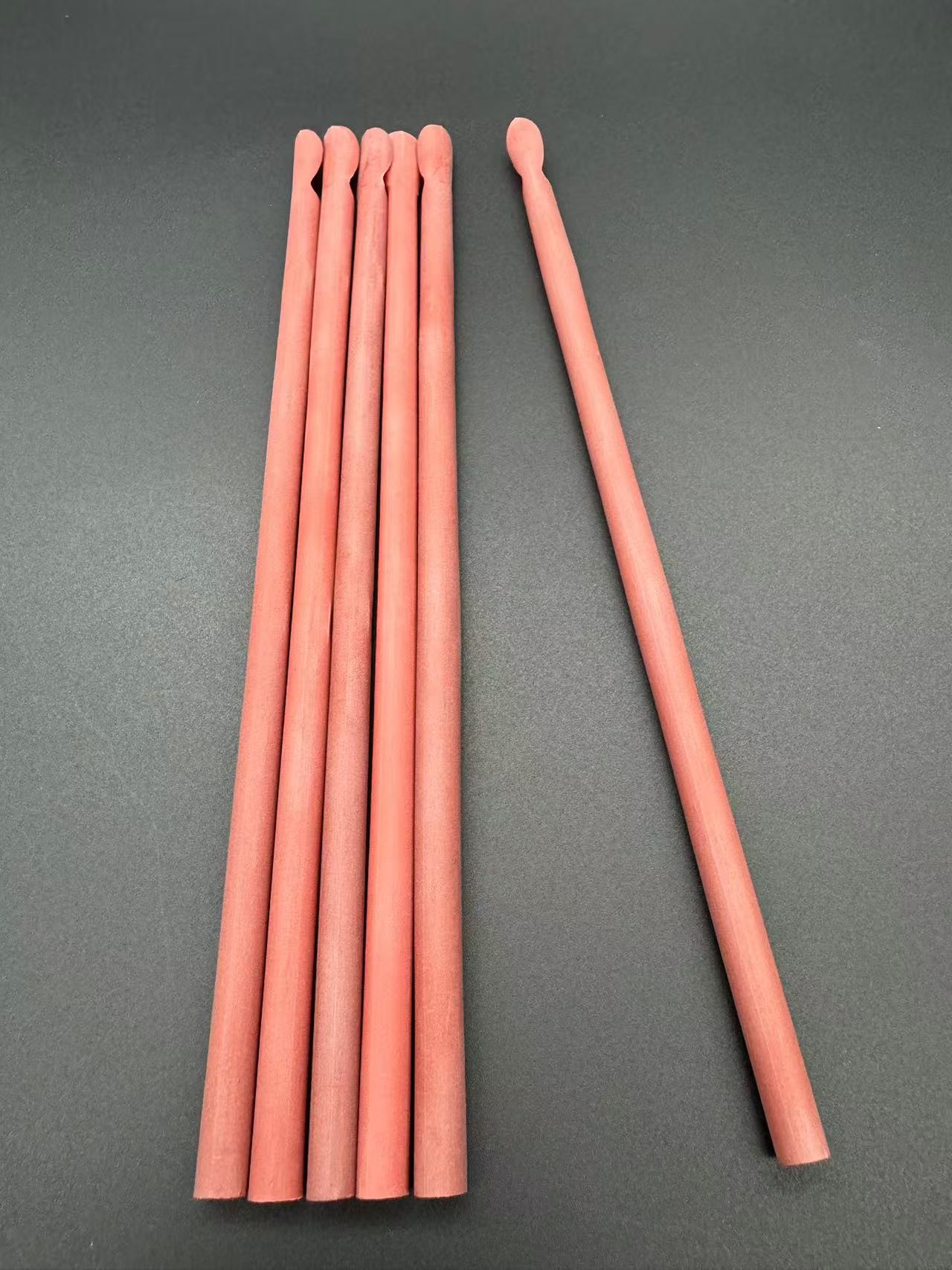
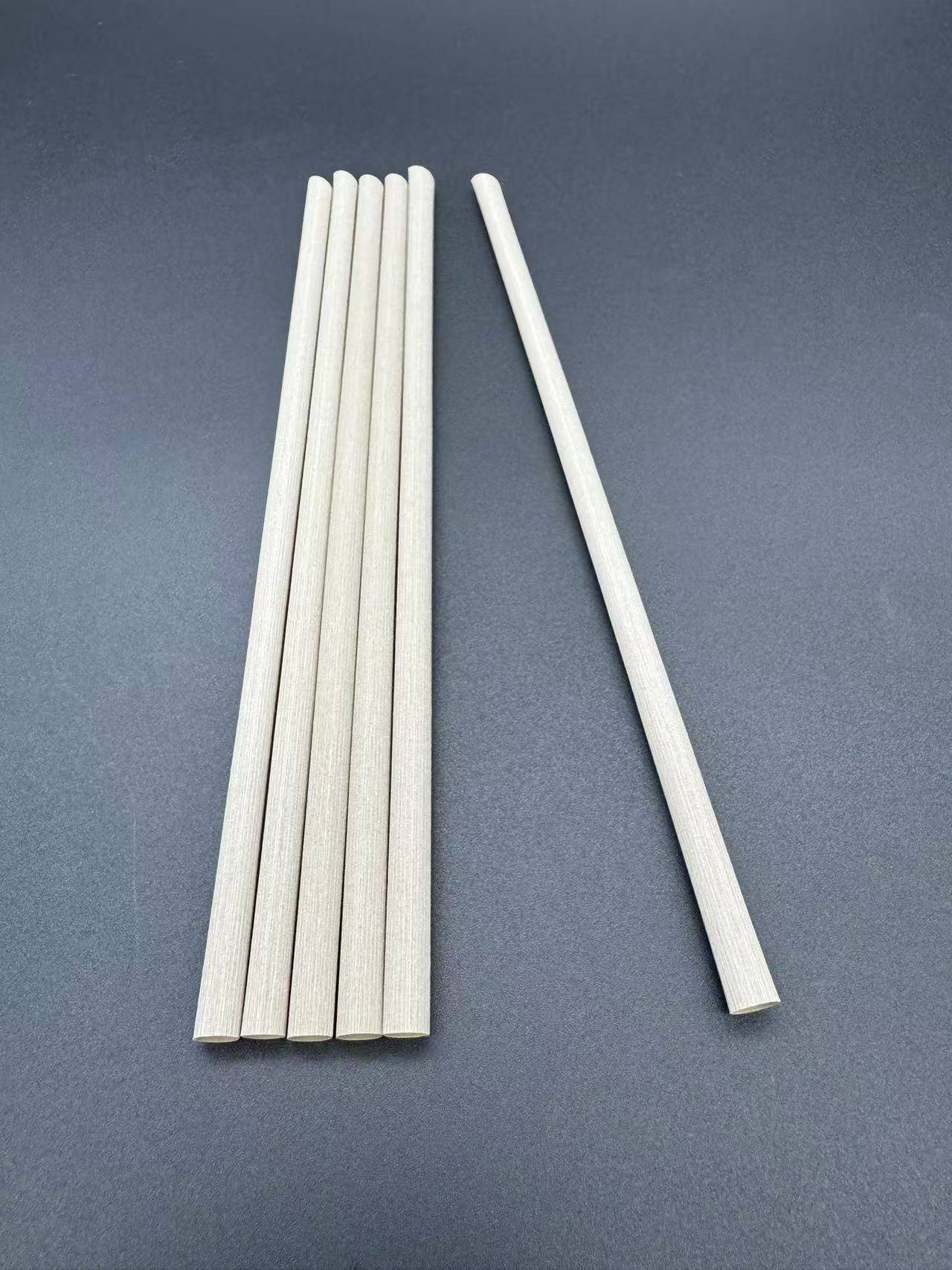
Not all "biodegradable" materials are created equal. Ensure your supplier provides verified documentation showing complete decomposition in specific environments—whether industrial composting, home composting, or marine settings.
Premium fully biodegradable fiber originates from agricultural waste and renewable plant sources. Ask suppliers about their raw material sourcing practices and whether they utilize genuine waste-to-value conversion technologies.
A supplier with dedicated research and development resources can offer customized solutions tailored to your specific application requirements. Look for companies investing in continuous innovation within the biodegradable materials industry.
Leading suppliers demonstrate commitment through low energy consumption, reduced carbon footprint, and minimal water usage during production. These factors directly impact your product's overall sustainability profile.
Confirm plant-based origin and absence of petroleum-derived components
Verify agricultural waste utilization in raw material sourcing
Request third-party certification for full biodegradability claims
Test mechanical properties against your end-use requirements
Confirm compatibility with your existing manufacturing processes
Validate shelf life and storage conditions for your operations
Review supplier's R&D team credentials and innovation track record
Evaluate production capacity and lead time reliability
Confirm environmental compliance and social responsibility practices
Many suppliers market partially degradable materials as fully biodegradable. Without proper verification, buyers risk non-compliance with environmental regulations and damage to brand reputation.
Biodegradation speed varies significantly based on environmental conditions. Some materials degrade in months under ideal composting but persist for years in natural settings. Clarify degradation timelines for your specific disposal environment.
Agricultural waste sourcing depends on seasonal harvest cycles, which can create supply fluctuations. Work with suppliers who have diversified sourcing strategies and adequate inventory management.
Some fully biodegradable materials sacrifice durability for environmental benefits. Evaluate whether the trade-off aligns with your product's functional requirements before committing to large orders.
Biodegradable fiber often carries premium pricing due to specialized processing. Factor in total cost of ownership, including potential regulatory advantages and brand value improvements, when evaluating pricing.
Different markets have varying standards for biodegradable certifications. Ensure your supplier's documentation meets the specific regulatory requirements of your target markets.
Food packaging, e-commerce mailers, and protective cushioning materials benefit from fully biodegradable fiber's ability to decompose naturally after use, reducing landfill waste significantly.
Clothing manufacturers increasingly adopt plant-based fibers for sustainable fashion lines. These materials offer comparable comfort and durability while eliminating microplastic pollution concerns.
Mulch films and crop covers made from biodegradable fiber eliminate post-harvest removal costs. They decompose directly in soil, returning nutrients and improving ground health.
Disposable tableware, personal care items, and single-use products leverage biodegradable fiber to address consumer demand for environmentally responsible alternatives to traditional plastics.
Specialized fully biodegradable materials designed for ocean decomposition address critical marine pollution concerns, offering solutions for fishing gear and maritime supplies.
Biodegradable fiber finds applications in medical disposables and hygiene products where environmental safety and regulatory compliance are paramount considerations.
Prioritize suppliers with dedicated international research teams specializing in natural plant applications and agricultural waste conversion technology. Innovation capability ensures long-term partnership value.
Look for suppliers offering fully biodegradable modified resin, plant fiber products, and complete biodegradable product solutions. A broad portfolio enables one-stop sourcing and customized formulation options.
Choose partners demonstrating genuine dedication to environmental protection through low energy consumption, low carbon footprint, and low water consumption production methods aligned with circular economy principles.
Select suppliers who insist on using agricultural waste materials combined with advanced production processes to deliver consistently high-quality fully biodegradable materials meeting customer expectations.
Ethical suppliers care about employee development and community impact, giving back to society and realizing broader social value beyond profit margins—a hallmark of truly sustainable business practices.
Ensure your supplier utilizes endless sustainable cycles of natural plant raw materials, creating new materials that can truly be recycled, composted, and fully decomposed across multiple environments.
Fully biodegradable fiber refers to materials derived from natural plant sources and agricultural waste that can completely decompose in natural environments—including composting facilities, soil, and marine settings—without leaving harmful residues. For procurement professionals, this means sourcing materials that support corporate sustainability commitments and comply with increasingly stringent environmental regulations worldwide.
While many materials claim to be "biodegradable," fully biodegradable fiber undergoes complete decomposition into natural elements without generating microplastics or toxic byproducts. Standard biodegradable materials may only fragment into smaller pieces or require specific industrial conditions to break down. Our fully biodegradable fiber decomposes effectively in diverse environments including oceans, providing assurance for products used in various disposal scenarios.
Fully biodegradable fiber is produced from agricultural waste and renewable plant raw materials. Our proprietary technology converts natural agricultural waste fibers into high-performance materials through advanced fabrication services. This waste-to-value approach not only reduces environmental impact but also creates a sustainable, endlessly renewable supply chain that supports circular economy principles.
In many applications, fully biodegradable fiber can successfully replace conventional plastics while maintaining required performance characteristics. The material offers comparable strength, flexibility, and processing compatibility with traditional synthetics. However, each application requires evaluation to ensure the biodegradable alternative meets your specific functional requirements, particularly regarding moisture resistance and long-term durability needs.
When evaluating suppliers, request documentation verifying complete biodegradability through recognized testing standards. Look for certifications covering industrial composting, home composting, and marine degradation environments. Reputable suppliers provide third-party test reports demonstrating decomposition rates and confirming the absence of toxic residues. Additionally, verify the supplier's commitment to sustainable production practices including low energy consumption and reduced carbon footprint.
Fully biodegradable fiber production is designed to minimize environmental impact throughout the lifecycle. The manufacturing process utilizes agricultural waste as raw material, reducing dependency on fossil fuels. Production features low energy consumption, low carbon footprint, and low water consumption compared to conventional synthetic fiber manufacturing. The end product returns to the earth safely, completing a true circular lifecycle that protects ecological balance.
Lead times vary depending on order volume, customization requirements, and current production schedules. We recommend contacting our sales team directly for accurate lead time information tailored to your specific project needs. Our scalable production capabilities support both rapid prototyping and large-volume manufacturing to accommodate diverse procurement timelines.
Depending on the specific formulation and intended use, certain fully biodegradable fiber products may be suitable for food contact applications. Our research and development team can provide customized solutions meeting relevant food safety standards. Please consult with our technical team to determine the appropriate material specification for your food packaging or tableware requirements.
Privacy statement: Your privacy is very important to Us. Our company promises not to disclose your personal information to any external company with out your explicit permission.
Fill in more information so that we can get in touch with you faster
Privacy statement: Your privacy is very important to Us. Our company promises not to disclose your personal information to any external company with out your explicit permission.