

Please Leave Us A Message
Privacy statement: Your privacy is very important to Us. Our company promises not to disclose your personal information to any external company with out your explicit permission.
 Huanting Technology (Ningbo) Co., Ltd
Select Language
English


Bamboo fiber packaging represents a revolutionary shift in sustainable materials sourcing, utilizing agricultural waste to create high-performance protective solutions. By converting natural plant fibers into durable containers and wraps, manufacturers can significantly reduce their carbon footprint while maintaining product integrity.
Unlike traditional plastics that persist in landfills for centuries, these eco-friendly alternatives are designed for a circular lifecycle. They decompose naturally, turning back into nutrient-rich compost without leaving toxic residues behind. This makes them an ideal choice for brands looking to meet strict environmental regulations and appeal to eco-conscious consumers.
The material offers excellent tensile strength and thermal stability, ensuring that goods remain protected during transit. For procurement teams, this means lower risk of damage claims and compliance with global bans on single-use plastics.
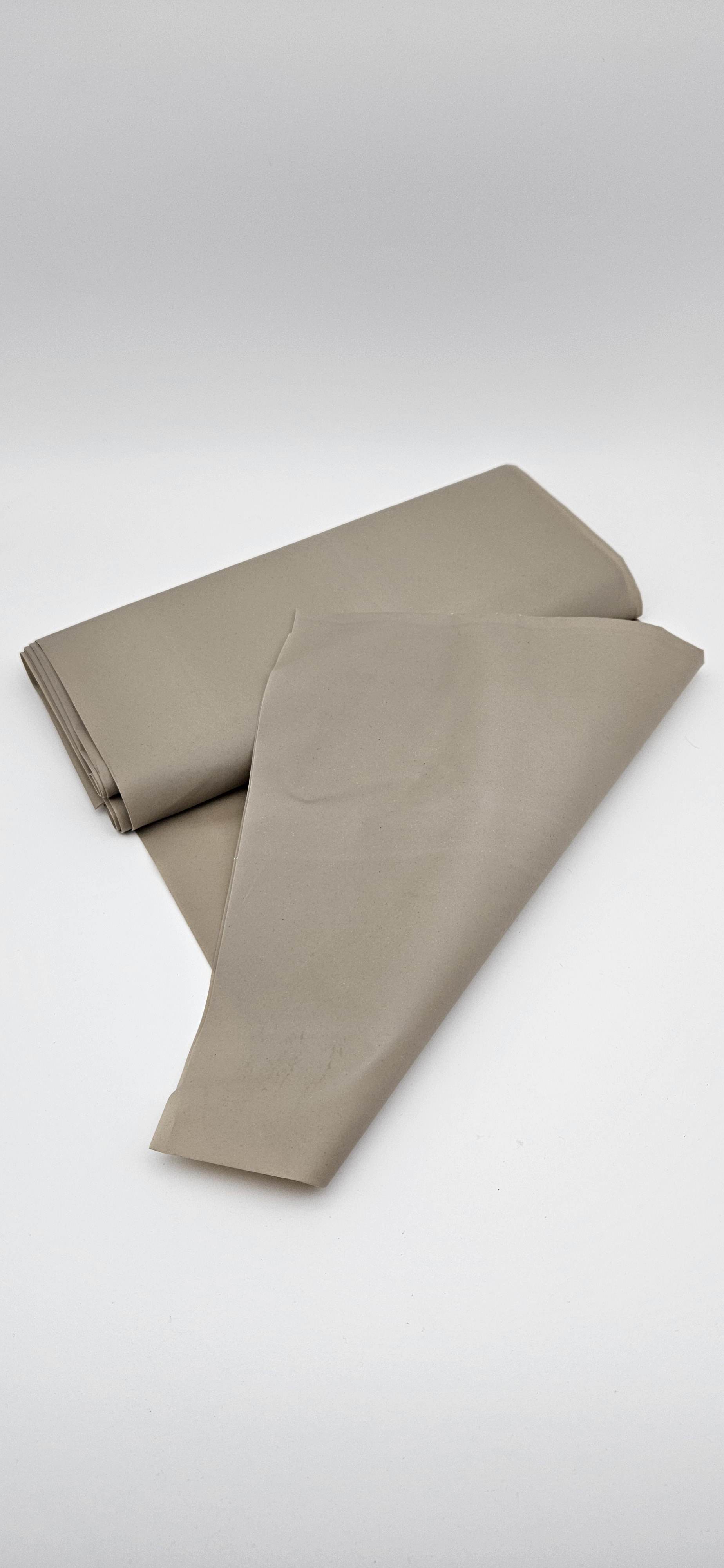
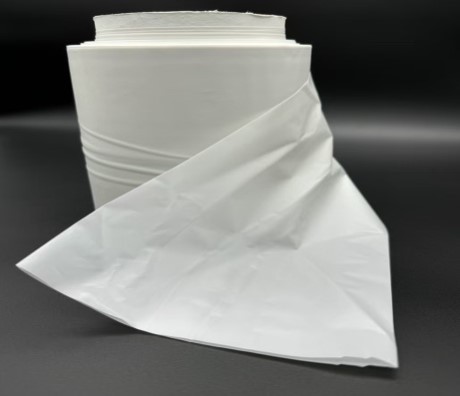
Our manufacturing process is built on rigorous quality control protocols to ensure every batch of bamboo fiber packaging meets international safety standards. We utilize advanced physical property testing to verify durability, moisture resistance, and decomposition rates before products reach your supply chain.
As an international R&D team, we focus on optimizing the conversion technology of natural agricultural waste. This ensures that our fully biodegradable modified resin maintains consistent structural integrity across large-scale orders. You receive reliable materials that perform predictably under stress and temperature variations.
We adhere to a "product quality first" philosophy, insisting on using only verified agricultural waste materials combined with low-energy production processes. This commitment not only lowers your landed cost through efficient manufacturing but also supports your corporate social responsibility goals by minimizing water consumption and greenhouse gas emissions.
Selecting a partner for bamboo fiber packaging requires more than just comparing unit prices. Buyers must evaluate the supplier's technical capabilities, raw material sourcing transparency, and commitment to genuine biodegradability.
Ensure the supplier uses authentic agricultural waste fibers rather than synthetic blends. Ask for documentation on their sourcing cycle to confirm that the materials are truly renewable and sustainably harvested.
Look for suppliers who provide verifiable data on decomposition timelines. Genuine bamboo fiber products should break down completely in industrial composting facilities or marine environments within specific timeframes.
A strong supplier invests in continuous innovation. Check if they have dedicated research teams focused on improving the physical properties of plant fiber materials to meet evolving market demands.
Use this comprehensive checklist to streamline your procurement workflow and mitigate risks when switching to bamboo fiber packaging solutions.
Does the packaging offer sufficient barrier protection against moisture and oil for your specific product type?
Are the materials compliant with FDA, EU, or local food contact regulations where you intend to sell?
Can the supplier guarantee consistent lead times and inventory levels during peak demand seasons?
Calculate the total cost of ownership, including potential savings from reduced waste disposal fees.
Does the manufacturer support OEM requirements for custom sizing, branding, or unique structural designs?
Review the supplier's carbon footprint data and energy consumption metrics to align with your ESG goals.
Bamboo fiber packaging is versatile enough to serve diverse sectors, offering a sustainable alternative without compromising on performance. Its natural antibacterial properties and aesthetic appeal make it suitable for a wide range of applications.
Ideal for takeaway containers, cutlery, and plates. The material handles hot and cold foods well while being fully compostable.
Used for inner packaging inserts and protective wrapping. Provides cushioning while reducing plastic waste in unboxing experiences.
Branded mailers and gift boxes made from plant fibers enhance brand image by demonstrating a commitment to green living.
When selecting a supplier for bamboo fiber packaging, Huanting Technology (Ningbo) Co., Ltd. stands out as a premier choice due to our unique blend of scientific innovation and sustainable manufacturing practices.
We are an international top-notch research and development team specializing in natural plants as raw materials. Our expertise in physical properties of agricultural waste conversion ensures you get cutting-edge materials that outperform traditional options.
Our fully biodegradable modified resin creates products that can be composted, recycled, and fully decomposed in the ocean. This reduces environmental impact and protects ecological balance, helping you meet global sustainability targets.
By recycling agricultural waste fibers, we produce materials with low energy, carbon, and water consumption. This efficiency translates to lower costs for you and a stronger environmental story for your brand.
We care about societal growth and employee development. Partnering with us means supporting a company that gives back to society and realizes true enterprise social value, aligning with your own CSR initiatives.
Get clarity on common concerns regarding the use, durability, and disposal of bamboo fiber packaging materials.
Yes, our bamboo fiber packaging is manufactured using fully biodegradable modified resins that are safe for food contact. We adhere to strict quality standards to ensure no harmful chemicals migrate into food products, making them suitable for plates, bowls, cutlery, and takeout containers.
Under industrial composting conditions, our bamboo fiber products typically decompose within 3 to 6 months. In home compost or natural soil, the timeline may vary slightly depending on environmental factors, but the material will fully break down into organic matter without leaving microplastics behind.
Absolutely. One of the key advantages of our plant fiber materials is their thermal stability. They can safely hold hot beverages and soups without warping or leaching, providing a reliable alternative to Styrofoam or thin plastic cups.
We understand that different businesses have varying scale requirements. Please contact our sales team directly to discuss MOQs for OEM and ODM projects. We strive to accommodate both small-batch trials and large-scale production runs to support your business growth.
While the initial unit cost of bamboo fiber packaging may be slightly higher than conventional plastics, the total cost of ownership often balances out. Savings come from reduced waste disposal fees, potential tax incentives for using green materials, and enhanced brand loyalty from eco-conscious consumers.
Privacy statement: Your privacy is very important to Us. Our company promises not to disclose your personal information to any external company with out your explicit permission.
Fill in more information so that we can get in touch with you faster
Privacy statement: Your privacy is very important to Us. Our company promises not to disclose your personal information to any external company with out your explicit permission.