

Please Leave Us A Message
Privacy statement: Your privacy is very important to Us. Our company promises not to disclose your personal information to any external company with out your explicit permission.
 Huanting Technology (Ningbo) Co., Ltd
Select Language
English


Biodegradable bamboo compound is an advanced eco-friendly material engineered from natural bamboo fibers blended with fully biodegradable modified resins. Unlike traditional plastics derived from petroleum, this composite material leverages renewable agricultural resources to create high-performance products that decompose naturally at the end of their lifecycle.
For procurement professionals, this material represents a strategic shift toward sustainable supply chains without compromising on durability. The unique combination of plant fiber and biodegradable polymer matrix offers excellent rigidity, heat resistance, and moldability, making it suitable for everything from packaging solutions to consumer goods.
Key Benefit: Sourcing bamboo-based compounds significantly reduces your product's carbon footprint while meeting stringent environmental regulations regarding single-use plastics and non-degradable waste.
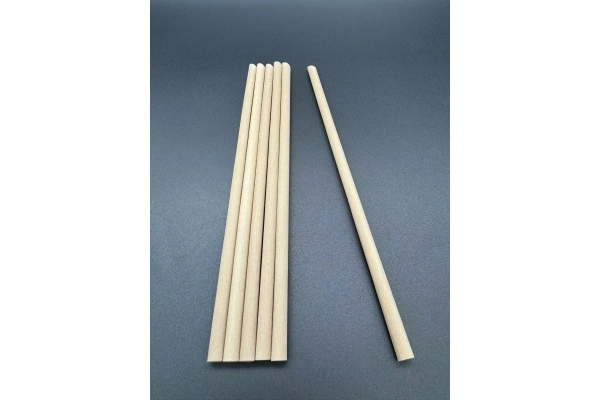
Our manufacturing process integrates rigorous quality control protocols to ensure every batch of biodegradable bamboo compound meets international performance standards. We utilize advanced physical property testing to verify tensile strength, impact resistance, and decomposition rates.
Consistency & Compliance: Our facility focuses on the research and application of natural agricultural waste conversion technology. This ensures that the final bamboo composite material is not only environmentally responsible but also consistent in quality, reducing production risks for your downstream manufacturing.
We insist on using agricultural waste materials and advanced production processes to manufacture high-quality fully degradable materials. This commitment allows us to offer bulk supplies with reliable lead times and uniform specifications, simplifying your procurement workflow.
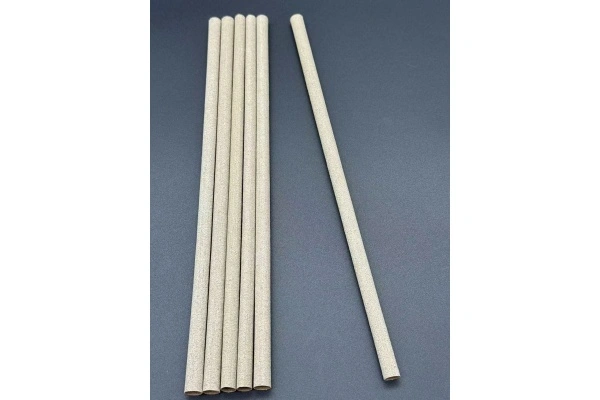
Selecting the right supplier for biodegradable materials is critical for maintaining brand integrity and supply chain stability. Here are key recommendations for evaluating potential partners.
Prioritize suppliers like Huanting Technology who possess dedicated R&D teams focused on natural plant applications. Innovation ensures you stay ahead of regulatory changes and market trends in sustainable packaging.
Look for manufacturers who explicitly use agricultural waste as a raw material. This circular economy approach lowers raw material costs and provides a verifiable "green" story for your end consumers.
A supplier offering fully biodegradable modified resin, plant fiber products, and custom solutions can streamline your sourcing. Consolidating suppliers reduces administrative overhead and logistics complexity.
Choose partners who value social responsibility and employee growth. Ethical manufacturing practices protect your brand reputation from supply chain controversies.
Verify that the material carries valid certifications for industrial composting or home composting. Ensure the decomposition timeline matches your waste management infrastructure requirements.
Evaluate tensile strength, heat deflection temperature, and flexibility. The bamboo compound must withstand your specific molding processes and end-use conditions without failure.
Assess the supplier's capacity for large-volume orders. Consistent availability of raw agricultural fibers is crucial for preventing production stoppages.
Determine if the supplier can modify resin formulations to achieve specific colors, textures, or biodegradation speeds tailored to your product design.
Compare total landed cost, including shipping and potential tariff benefits for eco-friendly goods. High-quality bamboo compounds often offer competitive pricing against premium engineering plastics.
Strong technical assistance during the prototyping phase can save significant time and money. Look for suppliers who provide processing guidelines and troubleshooting support.
Use this checklist to evaluate potential suppliers of biodegradable bamboo compounds before finalizing contracts.
Natural fibers can absorb humidity, affecting processing.
Solution: Work with suppliers who provide modified resins with superior hydrophobic properties and store materials in dry, climate-controlled environments.
Some "biodegradable" claims are vague.
Solution: Demand specific test reports showing degradation rates under industrial vs. home composting conditions to ensure compliance with local laws.
Bamboo fibers may create a rough texture.
Solution: Specify surface treatment requirements early. Advanced compounding techniques can smooth the finish while retaining the eco-friendly core.
Agricultural harvest seasons can impact raw material availability.
Solution: Partner with large-scale manufacturers who maintain buffer stocks and diversified sourcing networks to ensure year-round supply.
The versatility of bamboo-based composites allows them to replace conventional plastics across multiple sectors.
Cutlery, plates, bowls, and containers. Safe for food contact and fully compostable after use.
Phone cases, laptop shells, and peripheral housings. Offers a premium, matte aesthetic with durability.
Kitchenware, storage bins, and decorative items. Combines wood-like appearance with plastic functionality.
Door panels, dashboards, and trim. Lightweight material helps reduce vehicle weight and emissions.
While PLA is a bioplastic derived primarily from corn starch or sugarcane, bamboo compound incorporates natural fibers into a biodegradable resin matrix. This addition typically improves stiffness, thermal stability, and gives a more natural, wood-like feel compared to the glossy finish of pure PLA.
Yes, our fully biodegradable modified resins and bamboo compounds are manufactured to meet food-grade safety standards. They are non-toxic and free from harmful chemicals like BPA, making them ideal for food service applications.
Absolutely. We offer a wide range of color options. While the natural beige tone highlights the bamboo fiber content, we can pigment the material to match your brand identity without compromising its biodegradability.
Lead times depend on order volume and customization requirements. Standard items generally ship faster, while custom molded products require additional time for tooling. We recommend consulting our sales team for precise scheduling based on your project timeline.
Our advanced materials are engineered to decompose in various environments, including ocean water, though the rate varies by condition. This feature helps mitigate marine pollution, a significant concern for global brands committed to sustainability.
Privacy statement: Your privacy is very important to Us. Our company promises not to disclose your personal information to any external company with out your explicit permission.
Fill in more information so that we can get in touch with you faster
Privacy statement: Your privacy is very important to Us. Our company promises not to disclose your personal information to any external company with out your explicit permission.