

Please Leave Us A Message
Privacy statement: Your privacy is very important to Us. Our company promises not to disclose your personal information to any external company with out your explicit permission.
 Huanting Technology (Ningbo) Co., Ltd
Select Language
English


A fully biodegradable food box is a sustainable packaging solution designed to decompose naturally in the environment without leaving behind toxic residues or microplastics. Unlike conventional plastic containers that persist for centuries, these eco-friendly alternatives are crafted from renewable resources such as plant fibers and agricultural waste.
These boxes provide a critical advantage for brands looking to reduce their environmental footprint. By switching to materials that can be composted or fully decomposed, businesses support circular economy principles while meeting growing consumer demand for green packaging options.
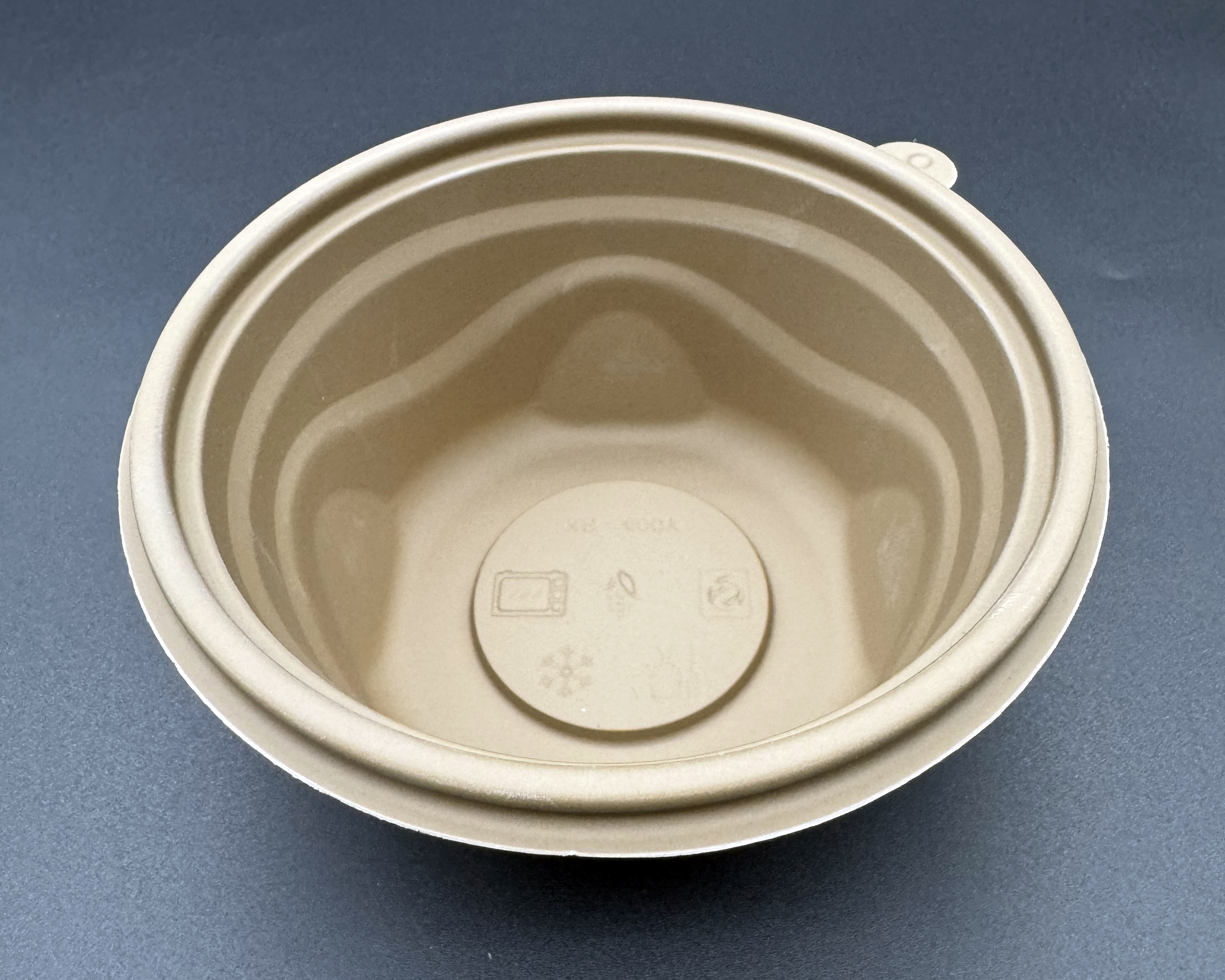
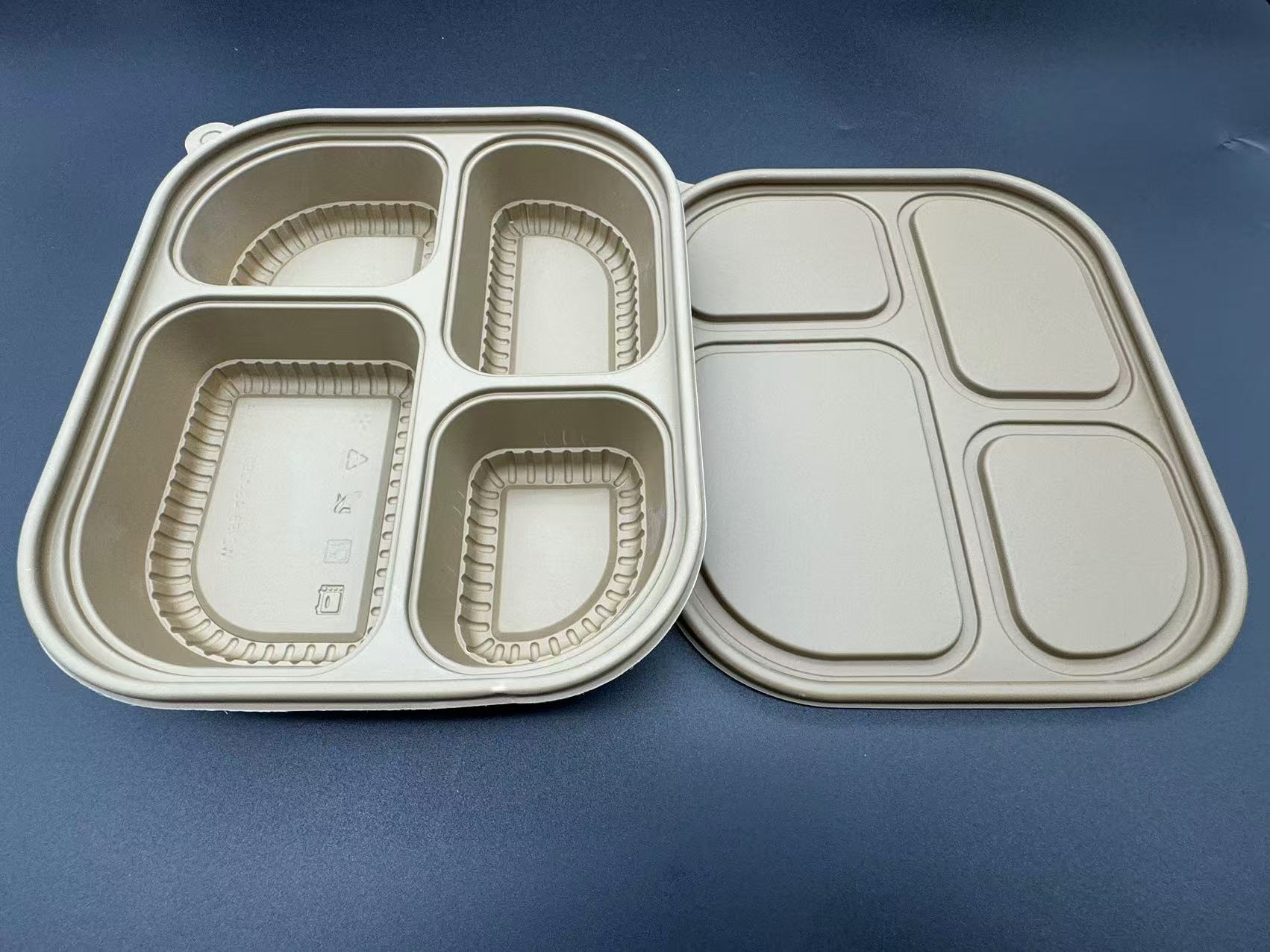
Our production relies on advanced research into natural plants and agricultural waste conversion technologies. We utilize fully biodegradable modified resin and plant fiber materials to create products that maintain structural integrity during use but break down completely after disposal.
The manufacturing process emphasizes low energy consumption, low carbon footprint, and low water usage. By recycling agricultural waste fibers, we not only reduce industrial pollution but also add value to farming byproducts, creating a truly sustainable supply chain for eco-conscious buyers.
Selecting the correct packaging requires evaluating material composition, decomposition conditions, and functional performance. Buyers must ensure that the "biodegradable" claims are backed by rigorous testing and genuine raw material sources.
Prioritize suppliers who use verified agricultural waste fibers and plant-based resins. Ensure the material source is renewable and does not rely on non-renewable petroleum derivatives mixed with small amounts of biodegradable agents.
Determine where the product will end up. Look for boxes certified for industrial composting, home composting, or marine degradation. The specific pathway dictates the necessary technical specifications for the material.
Eco-friendly does not mean compromising on safety. Verify that the fully biodegradable food box meets grease resistance, heat tolerance, and leak-proof standards required for your specific food application.
Use this checklist to streamline your procurement workflow and mitigate risks associated with greenwashing or substandard biodegradable materials.
When sourcing fully biodegradable food boxes, partner with manufacturers who offer comprehensive solutions rather than just basic production.
Look for suppliers with international R&D teams specializing in agricultural waste conversion. These partners can develop custom materials tailored to your specific product needs, ensuring both performance and true biodegradability.
Choose vendors who provide full biodegradable product solutions, including material sourcing, design consultation, and quality assurance. This reduces your procurement complexity and ensures consistent batch quality.
Procurement buyers often face challenges when transitioning from traditional plastics to fully biodegradable alternatives. Understanding these common pitfalls helps avoid costly mistakes.
Many suppliers claim "biodegradable" status for partially degradable plastics. Always request lab reports proving complete decomposition within a specific timeframe to avoid compliance issues.
Some eco-friendly boxes lack oil or water resistance. Test samples rigorously before bulk ordering to ensure they can handle your food products without leaking or degrading prematurely.
Agricultural waste inputs can vary by season. Reputable manufacturers balance these variables through advanced processing techniques to guarantee uniform material properties across all production runs.
A truly fully biodegradable food box is made from renewable resources like plant fibers or agricultural waste, combined with fully biodegradable modified resin. It must decompose completely into biomass, water, and CO2 under specific environmental conditions (such as industrial composting or marine environments) without leaving microplastics or toxic residues.
We utilize an international R&D team focused on natural plant applications and agricultural waste conversion technology. Our strict quality control measures ensure that every batch of plant fiber materials meets high standards for strength, durability, and decomposition rates, providing reliable performance for our global clients.
Yes, modern fully biodegradable food boxes are engineered to withstand various temperatures. Depending on the specific formulation of the modified resin and plant fibers, many options offer excellent heat resistance and grease proofing, making them suitable for hot meals, soups, and oily dishes.
Using agricultural waste significantly lowers the carbon footprint compared to virgin plastic production. It reduces reliance on fossil fuels, minimizes water consumption during manufacturing, and provides a sustainable outlet for farming byproducts, thereby supporting a circular economy and reducing landfill waste.
Depending on the certification, these products can decompose in industrial composting facilities, home compost bins, soil, or even marine environments. It is crucial to match the product's decomposition capabilities with the local waste management infrastructure available in your target market.
Privacy statement: Your privacy is very important to Us. Our company promises not to disclose your personal information to any external company with out your explicit permission.
Fill in more information so that we can get in touch with you faster
Privacy statement: Your privacy is very important to Us. Our company promises not to disclose your personal information to any external company with out your explicit permission.