

Please Leave Us A Message
Privacy statement: Your privacy is very important to Us. Our company promises not to disclose your personal information to any external company with out your explicit permission.
 Huanting Technology (Ningbo) Co., Ltd
Select Language
English


A **Natural Coffee Grounds Lunch Box Lid** is an eco-friendly packaging component crafted from agricultural waste, specifically used coffee grounds combined with biodegradable plant fibers. Unlike traditional petroleum-based plastic lids, these lids are designed to fully decompose in composting environments or even the ocean, significantly reducing landfill waste.
For procurement teams in the food service industry, switching to natural coffee grounds lids offers a tangible way to enhance brand sustainability without compromising on durability. These lids provide a secure seal for takeout containers, ensuring leak-proof performance while aligning with global trends toward circular economy solutions.
The material leverages the natural texture and strength of coffee fibers, creating a rigid yet lightweight barrier that protects food integrity. By utilizing agricultural byproducts, manufacturers reduce reliance on fossil fuels, offering a lower carbon footprint alternative for businesses aiming to meet ESG goals.
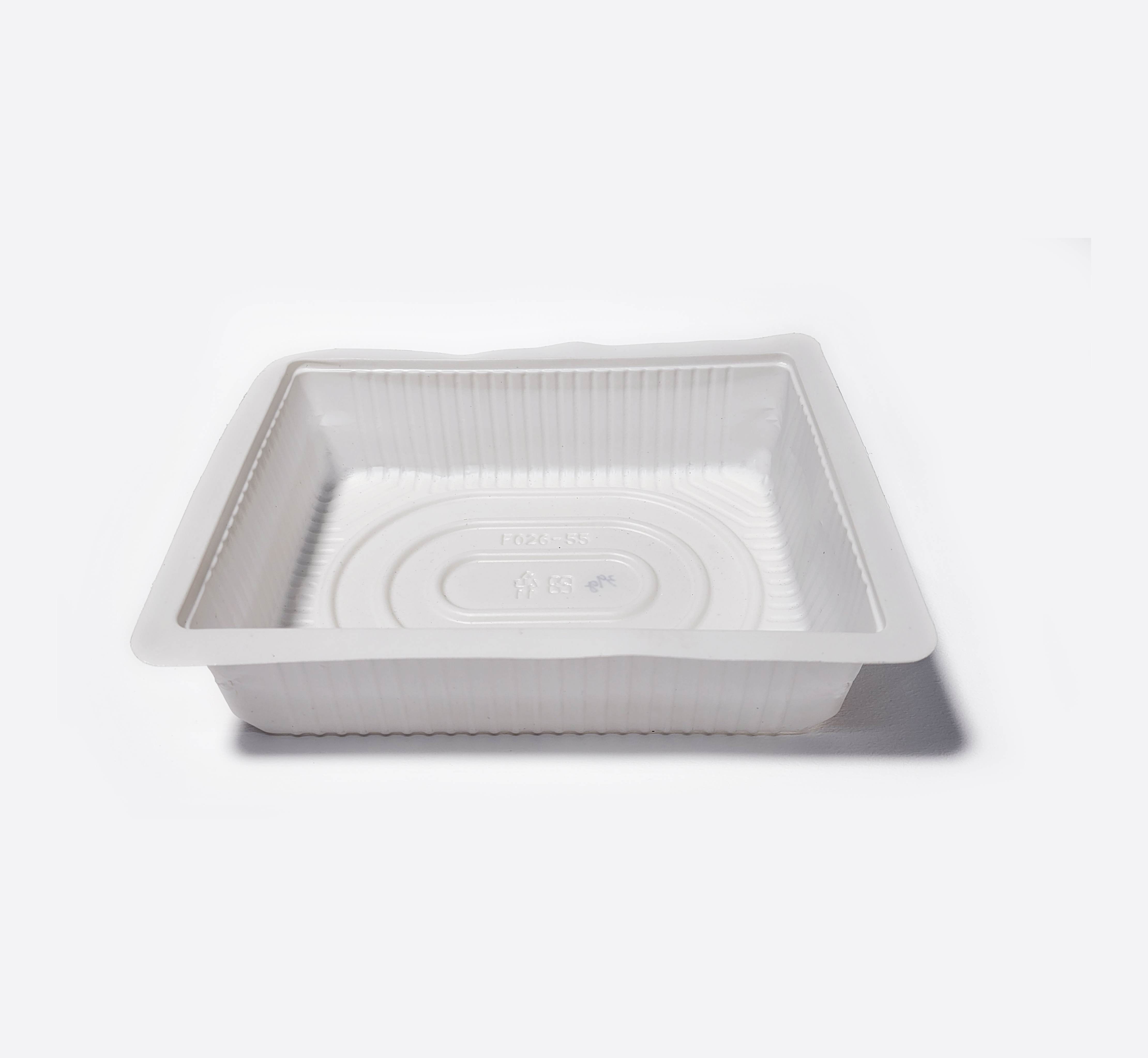
Huanting Technology employs proprietary physical property conversion technologies to transform agricultural waste into high-performance materials. The manufacturing process ensures that every **natural coffee grounds lunch box lid** maintains consistent structural integrity, resisting warping and leakage under typical food service conditions.
Our production lines adhere to strict international standards for food-contact materials. Each batch undergoes testing for thermal stability, ensuring the lids perform reliably with both hot and cold foods. This quality assurance minimizes your risk of product failure and customer complaints, protecting your brand reputation.
We prioritize low-energy consumption and low water usage during fabrication. This commitment not only reduces environmental impact but also stabilizes costs by minimizing resource dependency. Buyers benefit from a supply chain that is resilient, ethical, and aligned with modern regulatory requirements for sustainable sourcing.
Selecting the optimal **biodegradable coffee ground container lid** requires evaluating several key factors beyond just aesthetics. Procurement managers must consider thermal resistance, sealing mechanism compatibility, and regulatory compliance in target markets.
Ensure the lid material can withstand the temperature range of your specific food offerings. High-quality natural fiber lids offer excellent heat insulation, allowing consumers to handle hot meals safely without burning their hands—a significant usability advantage over thin plastic alternatives.
Look for lids designed with precise rim geometry to create a tight seal against compatible bowls. A reliable seal prevents spills during transport, which is critical for delivery services. Verify that the lid fits standard takeout container dimensions to streamline your inventory management.
Always request documentation verifying the compostability and biodegradability claims. Certifications such as EN13432 or ASTM D6400 provide proof that the product meets industry standards for industrial composting. This due diligence protects your business from greenwashing accusations and supports your marketing narratives.
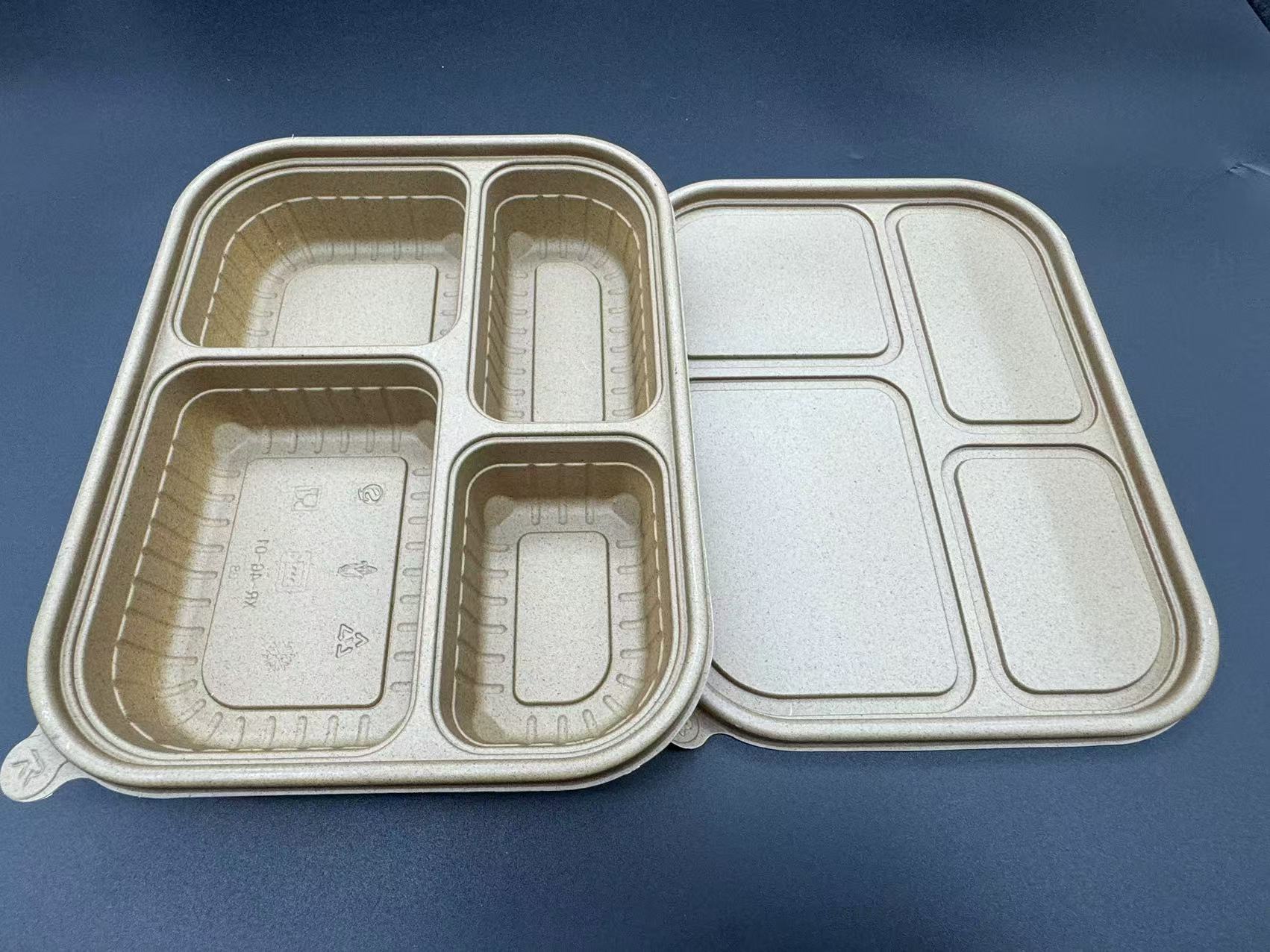
When sourcing **fully biodegradable modified resin** products, partnering with a manufacturer that controls the entire R&D-to-production pipeline is crucial. Huanting Technology (Ningbo) Co., Ltd. stands out as a premier supplier due to its specialized focus on natural plant raw materials and agricultural waste conversion.
As an international top-notch R&D team, they continuously develop new materials that truly decompose in oceans and soil. This innovation ensures you stay ahead of regulatory changes and consumer demands for genuine sustainability.
By managing the transformation of agricultural waste into finished products, they guarantee quality control at every stage. This vertical integration allows for faster problem resolution and more competitive pricing structures.
Their commitment to social value and employee development reflects a stable and ethical business partner. Sourcing from such suppliers mitigates reputational risks associated with labor practices and environmental negligence.
Many suppliers claim "biodegradable" without evidence. Without proper certification, these products may end up in landfills where they persist like conventional plastics. Always demand lab reports and verify certification bodies to avoid misleading claims.
Inconsistent molding processes can lead to warped lids that don't seal properly. This causes leaks and food contamination. Work with manufacturers who use precision tooling and rigorous QC checks to minimize defect rates.
Agricultural feedstocks like coffee grounds can fluctuate in availability. Reliable suppliers diversify their raw material sources and maintain strategic stockpiles to ensure continuous production for your orders.
Eco-materials often carry a premium compared to virgin plastic. However, buyers should calculate the long-term value, including brand loyalty gains, potential tax incentives for green businesses, and reduced waste disposal costs.
Cafes and fast-casual dining outlets benefit from the unique aesthetic of coffee-ground lids, which reinforce their brand identity while offering a sustainable takeaway option for customers.
Delivery platforms require leak-proof, durable packaging. These lids provide robust protection against spillage during transit, enhancing customer satisfaction and reducing refund requests.
Businesses prioritizing ESG goals choose natural fiber packaging for corporate events. It demonstrates a tangible commitment to sustainability, appealing to environmentally conscious stakeholders and employees.
Yes, when certified properly. Our **natural coffee grounds lunch box lids** are designed to break down in industrial composting facilities within months. Some variants may also decompose in home compost or marine environments, depending on the specific resin formulation. We provide full documentation to verify these claims.
Absolutely. The modified resin technology enhances the thermal stability of the plant fibers. These lids are engineered to withstand temperatures typically encountered in hot food service, ensuring they remain rigid and seal effectively without leaching harmful substances.
MOQs vary based on whether you use standard molds or require custom tooling. For standard sizes, we offer flexible MOQs to support small businesses and startups. For custom-branded **biodegradable coffee ground container lids**, MOQs apply to cover mold creation costs. Contact our sales team for specific figures tailored to your volume needs.
Unlike PLA, which requires specific industrial composting conditions, our natural fiber lids often have broader decomposition pathways. Compared to PETG, they offer a significantly lower carbon footprint and utilize waste materials rather than new petrochemicals. They also provide a unique tactile experience that consumers associate with natural, wholesome products.
Yes, Huanting Technology provides comprehensive OEM and ODM solutions. We can customize the shape, size, color, and branding of your **eco-friendly coffee lid suppliers** products to match your specific packaging ecosystem and brand guidelines.
Privacy statement: Your privacy is very important to Us. Our company promises not to disclose your personal information to any external company with out your explicit permission.
Fill in more information so that we can get in touch with you faster
Privacy statement: Your privacy is very important to Us. Our company promises not to disclose your personal information to any external company with out your explicit permission.