

Please Leave Us A Message
Privacy statement: Your privacy is very important to Us. Our company promises not to disclose your personal information to any external company with out your explicit permission.
 Huanting Technology (Ningbo) Co., Ltd
Select Language
English


Omnipotent bamboo charcoal represents a breakthrough in sustainable material science, transforming agricultural waste into high-performance biodegradable resources. At its core, this material is derived from processed bamboo biomass, which undergoes specialized treatment to unlock its natural structural advantages.
Unlike traditional plastics or non-degradable composites, omnipotent bamboo charcoal offers a fully compostable alternative that decomposes naturally in the environment, including in ocean conditions. This makes it an ideal solution for procurement teams seeking to reduce environmental impact while maintaining product integrity.
The versatility of this material allows it to be used across various applications, from packaging solutions to consumer goods, providing buyers with a reliable, eco-friendly option that meets modern sustainability standards without compromising on quality.
Derived from renewable bamboo plants, ensuring a continuous supply chain that supports circular economy principles and reduces dependency on fossil-based materials.
Designed to break down completely in natural environments, leaving no microplastic residue and contributing positively to soil health when composted.
Engineered to match the durability and functionality of conventional materials, ensuring that switching to bamboo charcoal does not require sacrificing product performance.
Production processes are optimized for low energy consumption and minimal water usage, significantly lowering the overall carbon footprint compared to traditional manufacturing.
Our manufacturing process for omnipotent bamboo charcoal is built on rigorous quality controls and advanced R&D capabilities. As an international top-notch research team, we focus on the physical properties of natural agricultural waste conversion technology, ensuring every batch meets the highest industry standards.
We utilize fully biodegradable modified resin and plant fiber materials to create products that are not only environmentally friendly but also robust enough for demanding applications. Our commitment to quality first means that customers receive materials that consistently meet their expectations for strength, flexibility, and decomposition rates.
By recycling agricultural waste fibers into high-value products, we provide a supply chain solution that is both sustainable and cost-effective. Our production facilities are designed to minimize waste and energy consumption, aligning with global trends toward greener manufacturing practices.
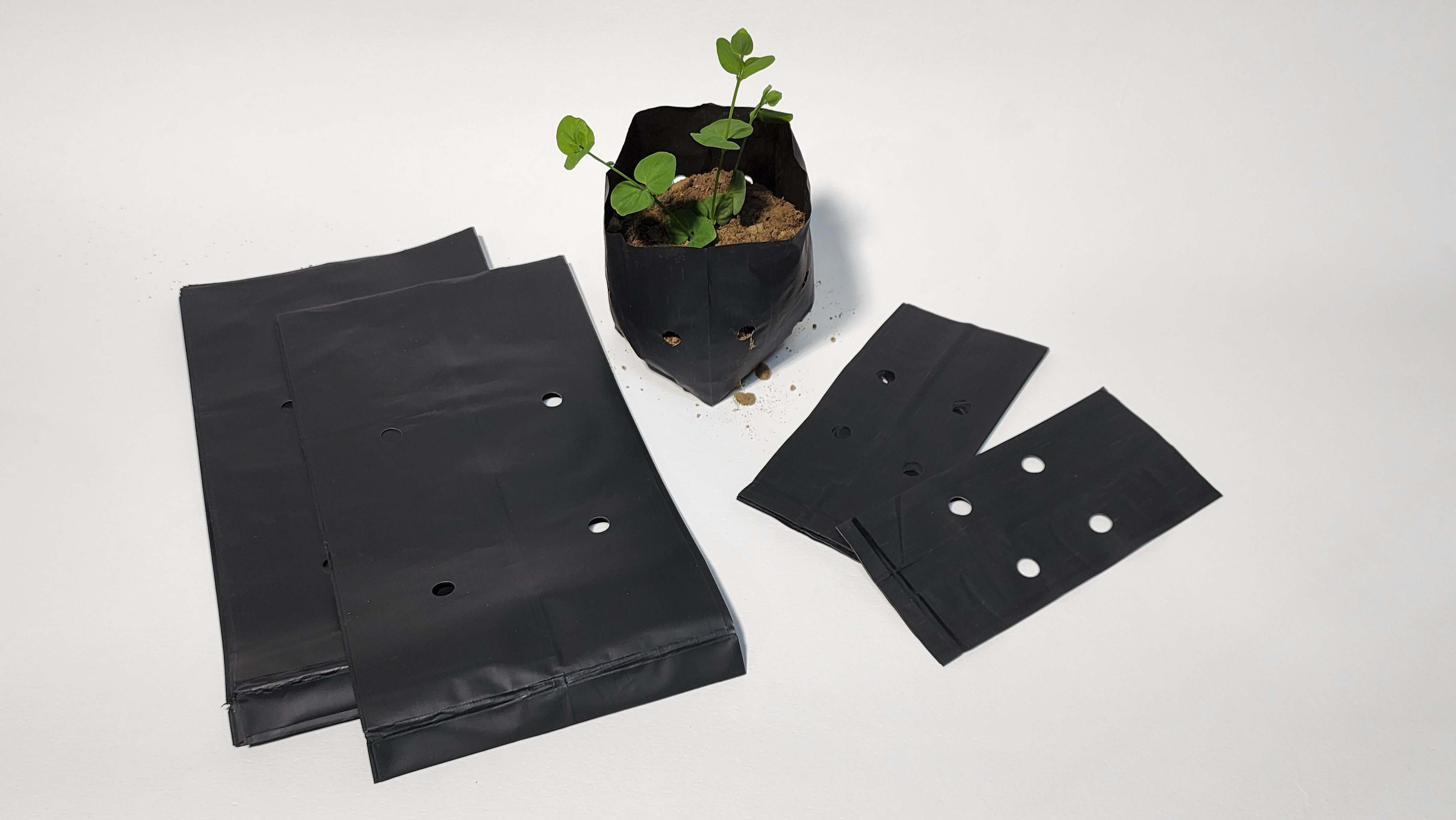
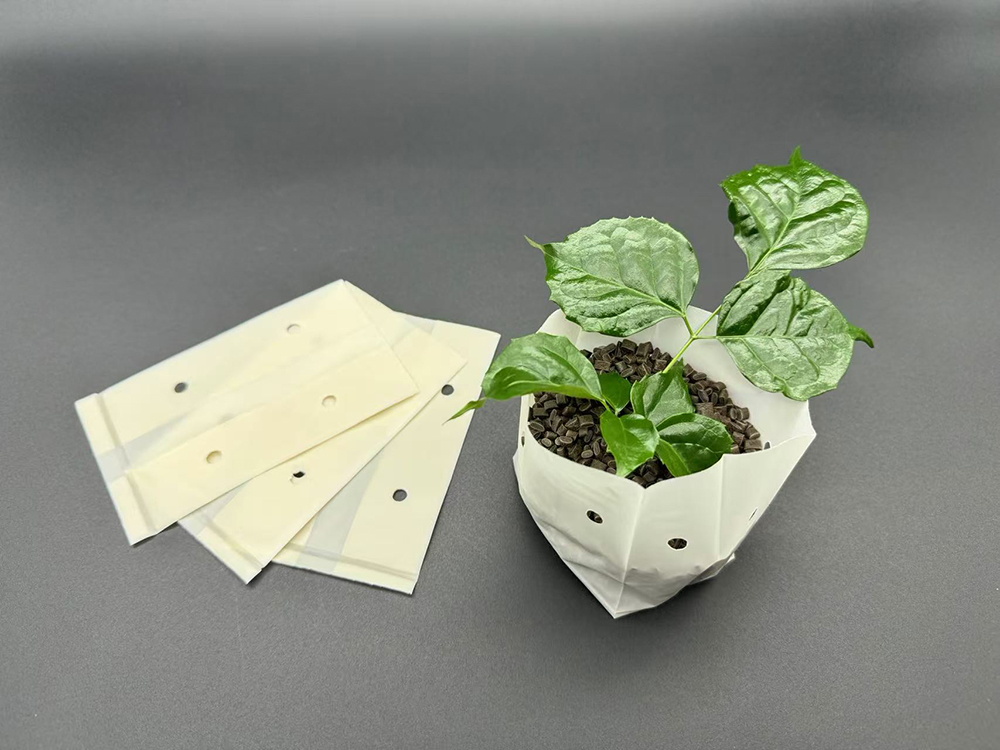
Selecting a partner for omnipotent bamboo charcoal requires careful evaluation of their technical capabilities and sustainability credentials. Buyers should prioritize suppliers who demonstrate a deep understanding of biodegradable material science and possess proven track records in large-scale production.
Look for manufacturers who offer fully biodegradable modified resin solutions backed by comprehensive testing data. A reliable supplier will provide transparent information about decomposition timelines, mechanical properties, and compliance with international environmental standards.
Additionally, consider the supplier's ability to customize materials for specific applications. The best partners work collaboratively with buyers to optimize material formulations, ensuring that the final product delivers maximum value while adhering to strict regulatory requirements.
Before finalizing your procurement strategy, use this checklist to ensure you are partnering with a supplier who can deliver high-quality omnipotent bamboo charcoal that meets your operational and sustainability goals.
Confirm that the material is 100% derived from natural plant sources and contains no synthetic additives that hinder decomposition.
Request certificates proving the product can fully decompose in soil, marine environments, and industrial composting facilities.
Assess the supplier's raw material sourcing to ensure a consistent and ethical supply of bamboo and agricultural waste.
Verify if the manufacturer can adjust material properties like tensile strength, flexibility, and thermal resistance for your specific needs.
Ensure all products comply with relevant international regulations regarding biodegradable materials and environmental safety.
Evaluate the total landed cost, considering that biodegradable materials often offer long-term savings through reduced waste disposal fees.
Procuring biodegradable bamboo materials comes with unique challenges. Understanding these common pitfalls helps buyers avoid delays, quality issues, and unexpected costs.
Some suppliers claim biodegradability but fail to provide standardized test data. Always request third-party verification to ensure the material breaks down as promised.
Natural plant fibers can be sensitive to humidity during storage. Work with suppliers who offer proper packaging solutions to maintain material integrity until use.
Early generations of biodegradable materials lacked strength. Modern modified resins solve this, but verify current specs to ensure they meet your application demands.
Agricultural waste availability can fluctuate. Partner with established manufacturers who have diversified sourcing strategies to mitigate seasonal risks.
Not all "eco-friendly" labels mean the same thing. Look for specific certifications related to compostability and ocean degradation rather than vague marketing terms.
Switching to new materials may require adjusting your processing equipment. Choose suppliers who offer technical support for seamless integration.
When selecting a partner for omnipotent bamboo charcoal, look for companies that combine scientific innovation with sustainable manufacturing practices. Ideal suppliers should demonstrate a clear commitment to reducing environmental impact through circular economy models.
Prioritize manufacturers who invest heavily in R&D to continuously improve material performance. These companies are more likely to offer cutting-edge solutions that keep your products competitive in the evolving green market.
An international top-notch research and development team specializing in natural plant raw materials. They focus on converting agricultural waste into fully biodegradable products with low carbon footprints.
Key Strength: Expertise in fully biodegradable modified resin and plant fiber materials, offering comprehensive product solutions.
Look for suppliers who actively pursue technological innovation in physical properties of natural materials. These partners can help you develop unique product features that stand out in the market.
Key Strength: Continuous improvement in material science, leading to higher performance and lower costs over time.
Choose suppliers who advocate for green living and social responsibility. These companies care about employee growth and societal development, ensuring ethical business practices throughout the supply chain.
Key Strength: Commitment to environmental protection and ecological balance, aligning with global ESG goals.
Get answers to common questions about omnipotent bamboo charcoal sourcing, properties, and applications to make informed procurement decisions.
Regular bamboo charcoal is primarily used for filtration or adsorption. Omnipotent bamboo charcoal refers to a engineered material where bamboo biomass is converted into a versatile, fully biodegradable resource suitable for manufacturing. It combines the natural benefits of bamboo with advanced material science to create durable, compostable products.
Yes, when produced correctly using fully biodegradable modified resin and plant fiber materials, it can decompose completely in natural environments. Our company focuses on creating materials that can be composted and fully decomposed, even in ocean conditions, ensuring no lasting environmental impact.
In many cases, yes. With advancements in plant fiber materials, omnipotent bamboo charcoal can offer comparable strength and flexibility to traditional plastics. It is an excellent alternative for packaging, disposable items, and consumer goods where end-of-life decomposition is a priority.
While initial material costs may vary, the total cost of ownership often favors biodegradable options due to reduced waste disposal fees and potential tax incentives for sustainable products. Additionally, our efficient production processes help keep costs competitive while maintaining high quality.
Industries such as packaging, consumer electronics, automotive interiors, and home goods are major beneficiaries. Any sector looking to reduce its environmental footprint while maintaining product performance can leverage the versatility of biodegradable bamboo materials.
Absolutely. As a research-driven company, we provide tailored biodegradable product solutions. We can modify material properties to meet specific customer needs, ensuring that the final product aligns perfectly with your application requirements and sustainability goals.
Privacy statement: Your privacy is very important to Us. Our company promises not to disclose your personal information to any external company with out your explicit permission.
Fill in more information so that we can get in touch with you faster
Privacy statement: Your privacy is very important to Us. Our company promises not to disclose your personal information to any external company with out your explicit permission.