

Please Leave Us A Message
Privacy statement: Your privacy is very important to Us. Our company promises not to disclose your personal information to any external company with out your explicit permission.
 Huanting Technology (Ningbo) Co., Ltd
Select Language
English


Eco-bamboo polymer compound represents the next generation of sustainable materials, blending the strength and versatility of modern polymers with the rapid renewability of bamboo fiber. Unlike traditional plastics derived from fossil fuels, this composite material utilizes agricultural waste—specifically bamboo pulp—as a primary reinforcement agent.
The result is a high-performance material that meets rigorous industrial standards while significantly reducing carbon footprint. For procurement teams seeking to meet ESG goals without compromising on durability, eco-bamboo polymer compound offers a viable, scalable alternative to conventional engineering plastics. It decomposes naturally at end-of-life, supporting circular economy models in packaging, consumer goods, and industrial applications.
Our manufacturing process for fully biodegradable modified resin ensures consistent quality across every batch. By focusing on physical properties of natural agricultural waste conversion technology, we guarantee that the final product maintains structural integrity while remaining fully compostable.
We insist on using advanced production processes to manufacture high-quality fully degradable materials. This commitment allows us to meet customer expectations for both performance and environmental responsibility. Our international R&D team continuously monitors the production cycle to ensure low energy consumption and low water usage throughout the manufacturing chain.
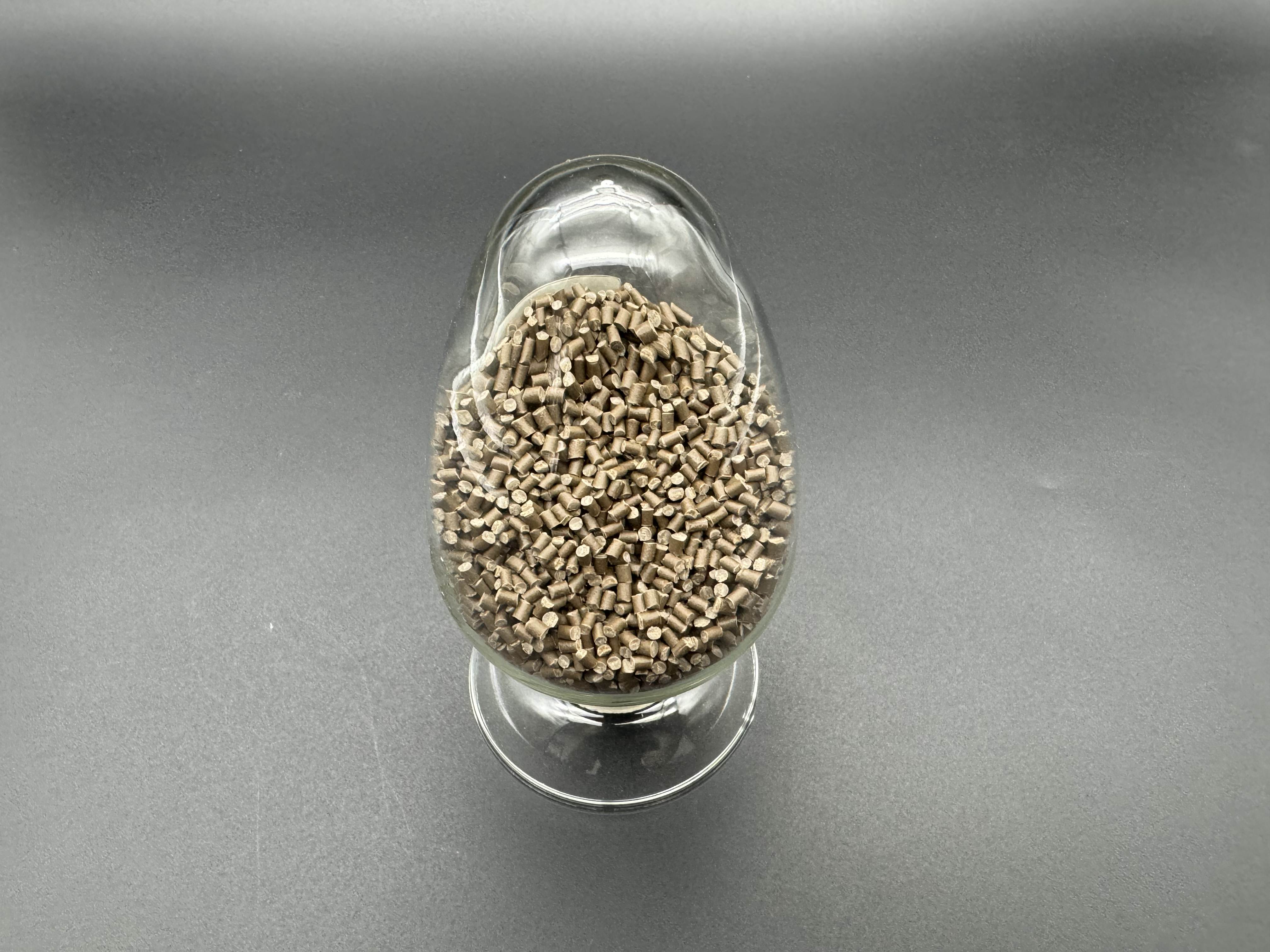
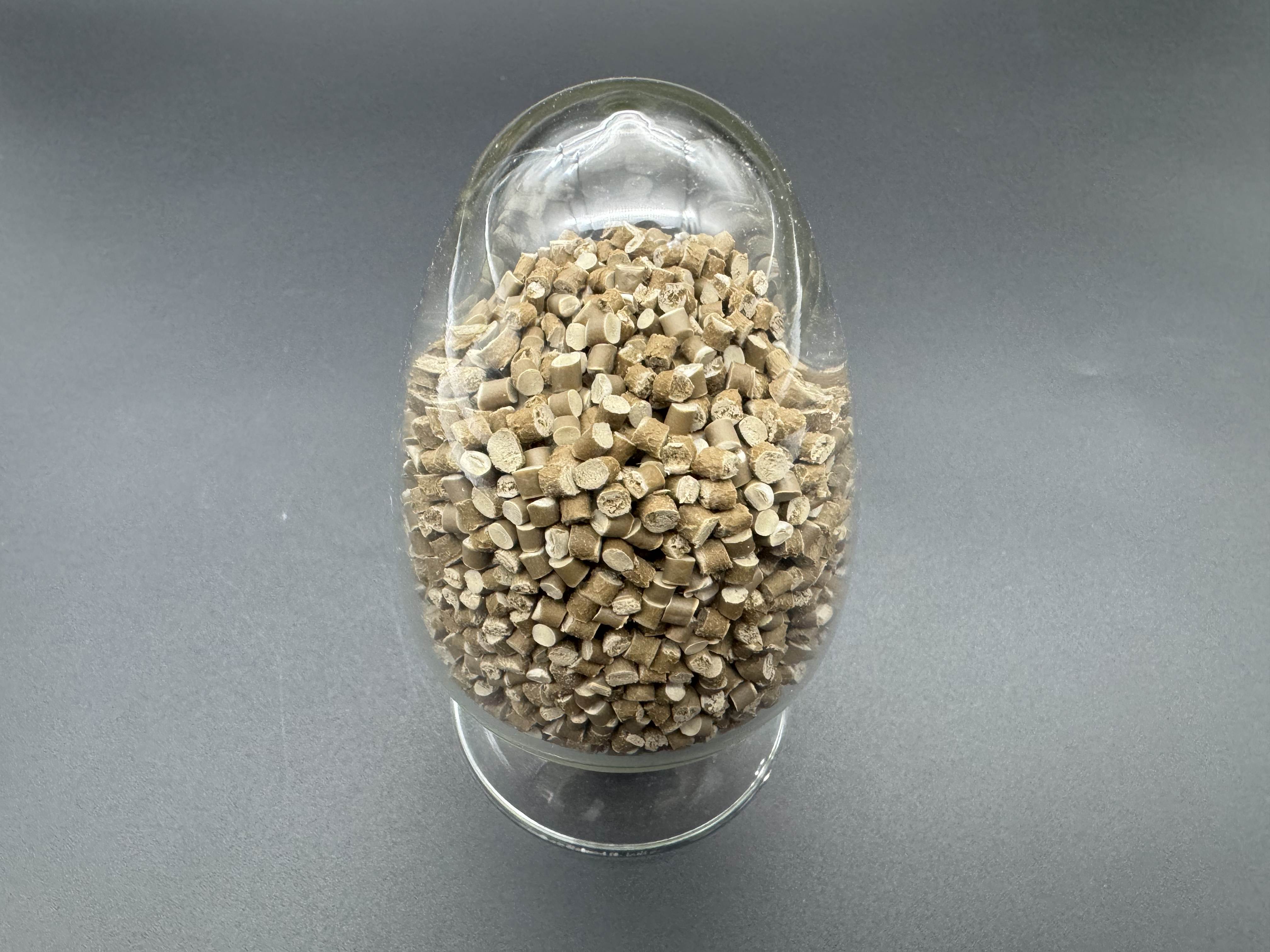
Selecting the correct supplier for your biodegradable needs requires more than just price comparison. You must evaluate their technical capability to handle plant fiber materials effectively. A true partner will demonstrate expertise in converting agricultural waste into high-value products.
Look for suppliers who prioritize innovation and sustainable development. They should be able to provide detailed data on the decomposition rates of their fully biodegradable products and offer customized solutions for your specific application. Verify their ability to scale production while maintaining the low carbon footprint that defines these materials.
Ensure your supplier has a proven track record in fully biodegradable modified resin production. Ask for third-party verification of their compostability claims and check their capacity for large-volume orders.
Before finalizing your procurement contract for eco-friendly materials, use this checklist to mitigate risk and ensure alignment with your sustainability targets.
Does the material break down completely in industrial composting or ocean environments? Request lab reports verifying full decomposition timelines.
Can the plant fiber materials match the tensile strength and heat resistance required for your end-product? Ensure samples are tested under real-world conditions.
Is the raw material sourcing (agricultural waste) consistent year-round? Confirm the supplier's ability to handle volume fluctuations without quality drops.
Calculate the total landed cost, including potential regulatory benefits. While upfront costs may vary, the long-term value of sustainable compliance often offsets initial premiums.
Procuring fully biodegradable materials can present unique challenges. Understanding these common pitfalls helps you avoid delays and quality issues.
The Problem: Variations in bamboo fiber length or polymer mixing ratios can lead to inconsistent mechanical properties between batches.
The Solution: Partner with manufacturers who use automated physical property monitoring systems and maintain strict quality control protocols for their fully biodegradable modified resin.
The Problem: Some suppliers market standard plastic blends as "eco-friendly" without proper certification for full decomposition.
The Solution: Demand transparent supply chain data. Verify that the company actually produces fully biodegradable products rather than just trading standard plastics. Look for evidence of their R&D investment in natural plant raw materials.
The Problem: Plant fiber materials may require different processing temperatures or mold designs compared to traditional plastics.
The Solution: Work with suppliers who provide comprehensive technical support and processing guidelines tailored to your specific injection molding or extrusion equipment.
The Problem: Agricultural harvest cycles can sometimes impact raw material availability.
The Solution: Choose suppliers with large-scale storage capabilities and diversified sourcing networks to ensure uninterrupted supply for your production lines.
Eco-bamboo polymer compound is versatile enough to serve a wide range of industries seeking to reduce their environmental impact. Its unique combination of strength and biodegradability makes it ideal for high-volume disposable items and durable goods alike.
Ideal for e-commerce mailers, food containers, and protective wrapping. The material offers excellent barrier properties while ensuring zero plastic residue after disposal.
Used for smartphone cases, laptop shells, and peripheral housings. Provides a premium tactile feel and reduces the electronic waste burden.
Dashboard components, door panels, and trunk liners. Lightweight nature contributes to fuel efficiency while meeting strict interior air quality standards.
Hand tools, potting trays, and mulch films. Designed to return to the earth naturally, eliminating cleanup costs for farmers.
Outdoor furniture and indoor fixtures that resist moisture and decay better than untreated wood, yet remain fully compostable.
Blended with other fibers to create strong, breathable textiles for apparel and home furnishings, promoting green living in the fashion industry.
When evaluating partners for fully biodegradable materials, prioritize companies that demonstrate a holistic approach to sustainability. The best suppliers don't just sell products; they provide complete biodegradable product solutions.
Choose a supplier with an international top-notch research and development team. Their ability to innovate on natural plants as raw materials ensures you stay ahead of market trends.
Look for partners who care about the growth of employees and the development of society. Companies that give back to society often exhibit higher ethical standards in their supply chains.
Select suppliers who insist on using agricultural waste materials and advanced production processes. This dedication guarantees high-quality fully degradable materials that meet your exact specifications.
Under industrial composting conditions, our fully biodegradable modified resin typically decomposes within 3-6 months. In home composting or marine environments, the timeline may extend slightly but remains significantly faster than traditional plastics. We provide detailed decomposition certificates upon request.
Bamboo fiber acts as a reinforcing agent, often improving the tensile strength and stiffness of the base polymer. This allows for thinner wall designs in packaging and products, reducing material usage and further lowering your carbon footprint.
Yes. Our R&D team specializes in creating new materials that can truly be recycled, composted, and fully decomposed according to your specific requirements. We offer OEM services to tailor the physical properties of our plant fiber materials to your manufacturing process.
MOQs vary depending on the specific grade of fully biodegradable products and customization level. However, we strive to support businesses of all sizes by offering flexible ordering options. Contact our sales team for current MOQ details.
Our products are designed to meet international standards for biodegradability and compostability. We can provide test reports and documentation verifying that our materials comply with relevant environmental regulations and industry benchmarks.
Privacy statement: Your privacy is very important to Us. Our company promises not to disclose your personal information to any external company with out your explicit permission.
Fill in more information so that we can get in touch with you faster
Privacy statement: Your privacy is very important to Us. Our company promises not to disclose your personal information to any external company with out your explicit permission.