

Please Leave Us A Message
Privacy statement: Your privacy is very important to Us. Our company promises not to disclose your personal information to any external company with out your explicit permission.
 Huanting Technology (Ningbo) Co., Ltd
Select Language
English


Natural fiber reinforced biodegradable material is a composite engineered by integrating agricultural waste fibers with fully degradable modified resins. This innovative material offers a sustainable alternative to conventional plastics, delivering the structural integrity required for industrial applications while ensuring complete environmental breakdown.
By converting natural plant raw materials and agricultural residues into high-performance products, this technology supports a circular economy. It allows manufacturers to reduce their carbon footprint significantly without compromising on the mechanical properties needed for durable goods.
Our materials are derived from renewable agricultural waste, turning potential pollutants into valuable resources. This approach directly contributes to ecological balance and reduces dependency on fossil-fuel-based plastics.
Backed by an international top-notch research and development team, we continuously innovate in physical property modification. This ensures our natural fiber composites meet rigorous global standards for strength and durability.
The production process is optimized for low energy consumption, low carbon emissions, and minimal water usage. This allows your brand to achieve sustainability goals and appeal to eco-conscious consumers effectively.
Unlike conventional bioplastics that may only fragment, our materials are designed to be truly composted and fully decomposed, even in marine environments. This eliminates microplastic pollution risks entirely.
At Huanting Technology (Ningbo) Co., Ltd, quality is paramount. We insist on using advanced production processes to manufacture high-quality fully degradable materials. Our manufacturing facilities are equipped to handle large-scale production of natural fiber reinforced biodegradable composites.
We focus on the research and application of various physical properties of natural agricultural waste conversion technology. This ensures that every batch of material meets consistent specifications for tensile strength, flexibility, and degradation rate.
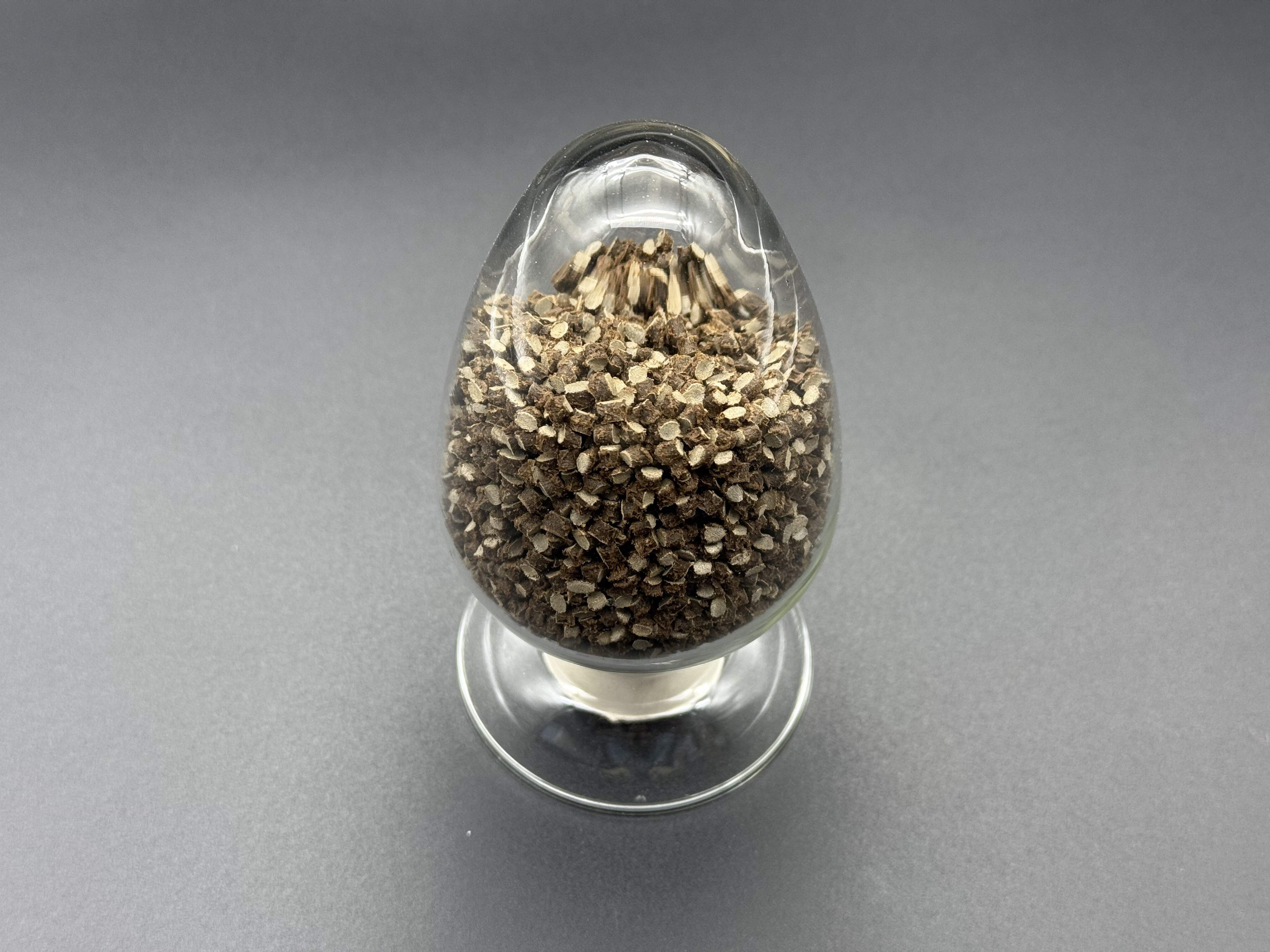
Selecting the right partner for natural fiber reinforced biodegradable materials requires evaluating technical capability and sustainability credentials. Buyers should prioritize suppliers who offer comprehensive product solutions rather than just raw materials.
Verify if the supplier has a dedicated R&D team capable of customizing material properties for specific applications. Look for expertise in modifying resins and treating natural fibers for optimal bonding.
Ensure the manufacturer can scale production to meet your volume requirements. A robust supply chain for agricultural waste fibers is essential for consistent material availability.
Check for relevant environmental certifications and testing reports that verify the biodegradability claims. Transparent data on decomposition rates adds credibility to your procurement decisions.
Material Composition: Confirm the ratio of natural fiber to biodegradable resin matches your performance needs.
Decomposition Environment: Verify if the material decomposes in industrial compost, home compost, or marine settings.
Supply Chain Transparency: Assess the supplier's traceability of raw agricultural waste sources.
Customization Capability: Ensure the supplier can adjust mechanical properties like impact resistance or flexibility.
Cost Efficiency: Evaluate total landed cost, including shipping and potential tariff benefits for green products.
Lead Time Reliability: Confirm production schedules align with your inventory management requirements.
Natural fiber reinforced biodegradable materials are versatile and suitable for a wide range of industries seeking to reduce plastic waste. Their unique combination of strength and eco-friendliness makes them ideal for:
Ideal for rigid packaging, protective inserts, and disposable containers that require durability but must decompose after use.
Used for mulch films and crop covers that can be tilled directly into the soil, eliminating the need for removal and reducing labor costs.
Perfect for household items, electronics casings, and automotive interior components where a natural aesthetic and sustainability are valued.
Many suppliers claim biodegradability but fail to provide standardized test results. This leads to compliance risks and greenwashing accusations. Always request third-party verification.
Natural fibers can vary based on harvest seasons. Reputable manufacturers implement strict quality control and resin modification techniques to ensure consistent performance across batches.
Some biodegradable composites are difficult to process using standard injection molding or extrusion equipment. Partner with suppliers who offer processing guidance and tailored formulations.
Reliance on agricultural waste can sometimes lead to seasonal shortages. Established suppliers maintain diversified sourcing networks to mitigate these risks.
When evaluating potential partners for natural fiber reinforced biodegradable materials, look for companies that demonstrate a holistic approach to sustainability and innovation.
Choose a supplier that offers both raw materials and product design support. This integrated approach simplifies your procurement workflow and accelerates time-to-market for new eco-friendly products.
Prioritize suppliers who actively contribute to society and practice circular economy principles. This alignment with corporate social responsibility (CSR) goals enhances your brand reputation.
It is composed of natural agricultural waste fibers combined with fully biodegradable modified resin. This blend creates a composite material that is strong, durable, and capable of complete decomposition in natural environments.
Unlike traditional petroleum-based plastics, natural fiber composites are derived from renewable plant resources. They offer a significantly lower carbon footprint and break down into harmless organic matter, whereas traditional plastics persist in the environment for centuries.
Yes. Through advanced modification technologies, natural fiber composites can achieve mechanical properties comparable to conventional plastics. They are suitable for packaging, automotive parts, and consumer goods that require robust performance.
Absolutely. The manufacturing process emphasizes low energy consumption, low water usage, and minimal carbon emissions. By recycling agricultural waste, it also helps reduce pollution and promotes a sustainable cycle.
These materials are designed to decompose in various environments, including industrial composting facilities, home compost bins, and even marine environments. This versatility ensures they do not contribute to long-term environmental pollution.
Privacy statement: Your privacy is very important to Us. Our company promises not to disclose your personal information to any external company with out your explicit permission.
Fill in more information so that we can get in touch with you faster
Privacy statement: Your privacy is very important to Us. Our company promises not to disclose your personal information to any external company with out your explicit permission.