

Please Leave Us A Message
Privacy statement: Your privacy is very important to Us. Our company promises not to disclose your personal information to any external company with out your explicit permission.
 Huanting Technology (Ningbo) Co., Ltd
Select Language
English


Fully degradable fermented bacterial residue masterbatch represents a breakthrough in sustainable polymer technology. This specialized additive is manufactured using advanced fermentation processes that convert natural agricultural waste into high-performance biodegradable materials. Unlike traditional plastic additives, this masterbatch enables conventional plastics to decompose completely under specific environmental conditions, including soil, freshwater, and marine environments.
The core innovation lies in the fermented bacterial residue, which acts as a biological catalyst during the degradation process. When incorporated into plastic formulations, it accelerates the breakdown of polymer chains through microbial activity, ultimately transforming plastic waste into water, carbon dioxide, and biomass. For procurement professionals sourcing eco-friendly packaging solutions, this material offers a verified pathway to meet increasingly stringent environmental regulations while maintaining the functional properties buyers expect from standard plastics.
Huanting Technology (Ningbo) Co., Ltd leverages its international research and development expertise to produce this masterbatch at scale. By recycling agricultural waste fibers into fully compostable products with low energy consumption and a minimal carbon footprint, the company delivers a material solution that supports circular economy principles. Buyers gain access to a supply chain that reduces environmental impact without compromising product performance or processing compatibility.
Our manufacturing facility operates under rigorous quality control protocols designed to ensure batch-to-batch consistency for fully degradable fermented bacterial residue masterbatch. Every production run undergoes comprehensive testing to verify degradation performance, thermal stability, and mechanical properties before release.
The production process integrates advanced fermentation technology with precision compounding equipment. Agricultural waste raw materials are sourced from sustainable cycles, processed through controlled biological conversion, and then compounded with base resins at exact ratios. This methodology guarantees that each kilogram of masterbatch delivers consistent degradation rates across large-scale orders.
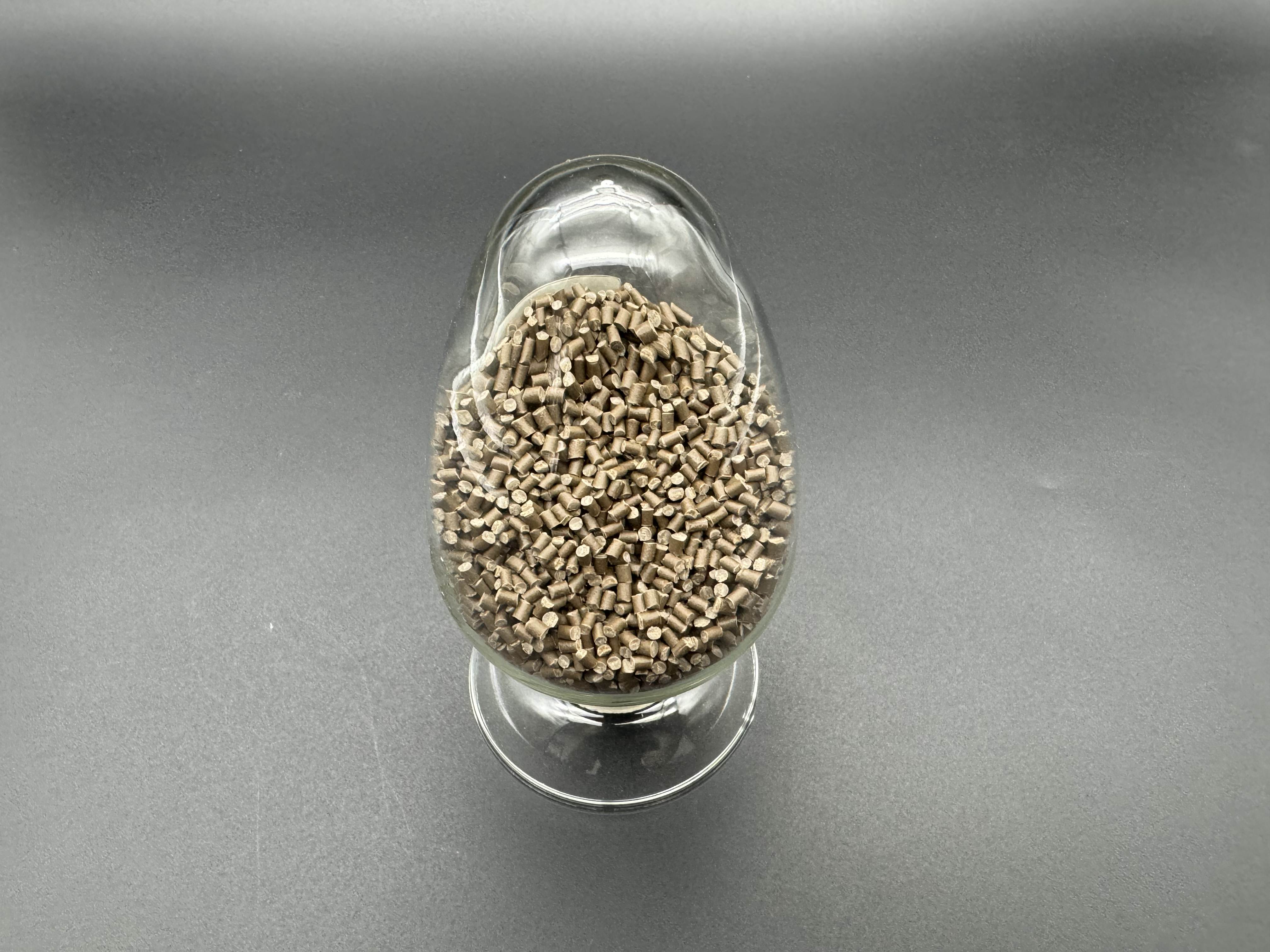
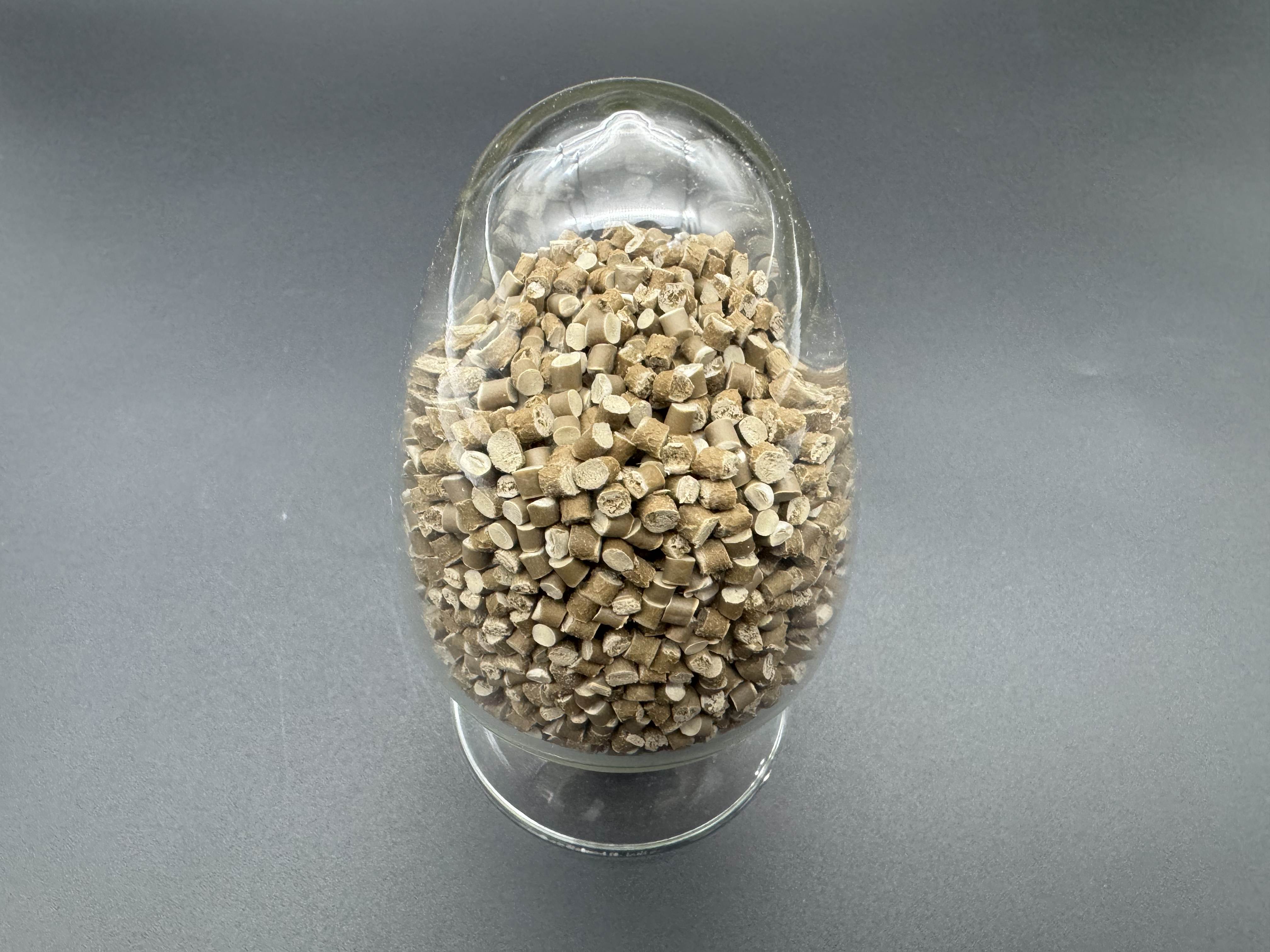
Selecting the right supplier for fully degradable fermented bacterial residue masterbatch requires evaluating multiple dimensions beyond price. Procurement teams must assess the supplier's technological capability, raw material sourcing integrity, and ability to provide consistent degradation performance across order volumes.
Start by verifying the supplier's R&D background. A company backed by an international research team demonstrates the technical depth needed to innovate continuously and resolve formulation challenges specific to your application. Evaluate whether the supplier uses genuine agricultural waste feedstocks rather than synthetic alternatives, as this directly impacts the environmental credentials you can communicate to end consumers.
Request third-party degradation test reports that cover the full lifecycle — from industrial composting conditions to marine environments. Suppliers who proactively provide this documentation signal transparency and confidence in their product. Additionally, confirm that the supplier maintains stable production capacity and can scale output to match your demand fluctuations without compromising quality standards.
Use this structured checklist to evaluate potential suppliers of fully degradable fermented bacterial residue masterbatch and reduce procurement risk. Each criterion addresses a critical factor that impacts total cost of ownership, regulatory compliance, and supply chain reliability.
Supplier provides certified test reports from accredited laboratories covering soil, compost, and marine degradation.
Degradation timeline matches your product shelf-life and disposal environment requirements.
Feedstock derived from verified agricultural waste sources, not petroleum-based synthetics.
Supplier discloses fermentation process details and raw material traceability documentation.
Manufacturing facility has documented quality management systems and consistent batch testing procedures.
Scalable production volume to support growing order requirements without quality compromise.
Supplier offers formulation consultation and processing parameter guidance for your specific machinery.
Responsive technical team available for troubleshooting and custom specification adjustments.
Products comply with relevant regional biodegradability standards and certification requirements.
Documentation supports your sustainability reporting and ESG disclosure obligations.
Low energy consumption and reduced carbon footprint compared to conventional plastic production.
Circular economy model utilizing agricultural waste contributes to measurable environmental benefits.
When sourcing fully degradable fermented bacterial residue masterbatch, prioritizing suppliers with demonstrated R&D capabilities and sustainable manufacturing practices significantly reduces procurement risk. Below are key evaluation criteria and recommended supplier attributes based on industry best practices.
Prioritize suppliers employing international research teams specializing in natural plant raw material applications. These organizations invest continuously in fermentation technology improvements, delivering masterbatch formulations with superior degradation kinetics and broader compatibility with existing processing equipment. Their innovation pipeline ensures long-term supply stability as regulatory standards evolve.
Suppliers controlling the entire value chain — from agricultural waste collection through fermentation, compounding, and final packaging — offer greater cost transparency and quality assurance. Vertical integration minimizes intermediate handling, reduces contamination risks, and enables rapid response to custom specification requests from procurement teams.
Choose suppliers whose operations demonstrate verifiable environmental commitments: low water consumption processing, renewable energy utilization, and closed-loop waste management. These operational practices align with corporate sustainability targets and strengthen your brand positioning when marketing end products to environmentally conscious consumers.
Suppliers with established international logistics infrastructure reduce lead times and shipping costs for cross-border procurement. Look for partners offering multi-region warehousing, flexible minimum order quantities, and reliable export documentation to streamline your supply chain operations and mitigate geopolitical disruption risks.
Procurement teams frequently encounter specific challenges when introducing fully degradable fermented bacterial residue masterbatch into existing production workflows. Understanding these common pitfalls in advance allows you to implement preventive measures and maintain uninterrupted supply operations.
Batch-to-batch variation in bacterial residue concentration can cause unpredictable degradation rates. Mitigate this risk by requiring suppliers to provide batch-specific degradation certificates and establishing incoming quality inspection protocols that verify active ingredient concentrations before production release.
Some biodegradable masterbatches require adjusted temperature profiles or screw designs during extrusion. Engage your supplier's technical team early in the qualification phase to obtain optimized processing parameters and conduct trial runs on your actual production equipment before committing to full-volume orders.
Not all "biodegradable" products meet rigorous decomposition standards. Demand independent laboratory test results rather than relying on supplier self-declarations. Verify that degradation claims reference recognized standards such as ISO 17088, EN 13432, or ASTM D6400 applicable to your target market.
Agricultural waste feedstocks are subject to seasonal availability fluctuations. Work with suppliers who maintain strategic raw material inventories and diversified sourcing networks to ensure consistent supply throughout the year. Establish safety stock levels and dual-sourcing strategies where feasible.
Biodegradable masterbatches often carry a premium over conventional additives. Calculate total landed cost including any processing adjustments, rework rates, and end-of-life disposal savings. Transparent pricing structures and volume-tier discounts help manage budget expectations effectively.
Incomplete certification packages delay customs clearance and market entry. Ensure suppliers provide comprehensive documentation including material safety data sheets, degradation test reports, and country-specific compliance certificates well before shipment to prevent port delays.
This FAQ addresses the most common questions procurement professionals ask when evaluating fully degradable fermented bacterial residue masterbatch for their supply chain. Each answer reflects practical insights gained from working with global buyers implementing biodegradable material transitions.
Degradation timeframes vary depending on environmental conditions. Under industrial composting conditions at optimal temperature and humidity, visible fragmentation typically occurs within 90 to 180 days, with complete biodegradation following within one to two years. In soil environments, the process may extend to two to three years. Marine degradation timelines depend on water temperature, salinity, and microbial population density. Always request environment-specific degradation data from your supplier to align with your product's intended disposal pathway.
Yes, fully degradable fermented bacterial residue masterbatch is formulated for compatibility with standard thermoprocessing equipment used for PE, PP, and other common polymers. Minor adjustments to barrel temperature settings may be necessary, typically involving a slight reduction of 5 to 10 degrees Celsius in the melting zone to accommodate the biological components. Most suppliers provide detailed processing guidelines and technical support to facilitate seamless integration into your current manufacturing operations without requiring capital investment in new equipment.
Key certifications to verify include TUV Austria OK Compost INDUSTRIAL or HOME COMPOSTABLE, BPI (Bi Products Certification) for North American markets, and DIN CERTCO for European compliance. Additionally, request ISO 17088 compliance documentation for plastic bags and films, and ASTM D6400 or D6868 test reports for general plastic products. These certifications provide independent verification that the product meets recognized biodegradability standards and will be accepted by waste management facilities and regulatory bodies in your target markets.
Fully degradable fermented bacterial residue masterbatch typically carries a 15 to 30 percent premium over conventional plastic additives, depending on formulation complexity and order volume. However, this incremental cost must be evaluated against the total value proposition: access to premium markets with biodegradable product mandates, potential tariff advantages in regions incentivizing sustainable materials, and enhanced brand equity among environmentally conscious consumers. Many procurement teams find that the market differentiation and regulatory compliance benefits outweigh the per-unit cost increase.
The incorporation of biodegradable masterbatch can slightly modify mechanical properties, particularly tensile strength and elongation at break. Modern formulations have minimized this effect, with most products maintaining over 90 percent of the baseline mechanical performance of conventional counterparts. For applications requiring specific strength thresholds, work with your supplier to develop customized formulations that balance degradation rate requirements with the mechanical specifications your end product demands. Trial sampling and validation testing are strongly recommended before full-scale adoption.
Minimum order quantities vary by supplier but typically range from 500 kilograms for initial trial orders to 2,000 kilograms for standard commercial shipments. Many manufacturers offer flexible MOQ structures to accommodate buyers transitioning from conventional to biodegradable materials, allowing smaller initial volumes for market testing before scaling up. Discuss your projected annual requirements upfront, as suppliers often provide tiered pricing that rewards commitment to larger cumulative volumes over time.
Yes, the fermentation process used to produce bacterial residue masterbatch is designed around circular economy principles. Agricultural waste fibers that would otherwise be burned or left to decompose untreated are repurposed into high-value biodegradable materials. The process consumes significantly less energy and water than petrochemical-based additive production, generates a lower carbon footprint, and eliminates persistent microplastic formation upon decomposition. This creates a net-positive environmental impact when measured against the lifecycle emissions of conventional plastic manufacturing.
Privacy statement: Your privacy is very important to Us. Our company promises not to disclose your personal information to any external company with out your explicit permission.
Fill in more information so that we can get in touch with you faster
Privacy statement: Your privacy is very important to Us. Our company promises not to disclose your personal information to any external company with out your explicit permission.