

Please Leave Us A Message
Privacy statement: Your privacy is very important to Us. Our company promises not to disclose your personal information to any external company with out your explicit permission.
 Huanting Technology (Ningbo) Co., Ltd
Select Language
English


Spartina alterniflora biodegradable blend represents a breakthrough in agricultural waste valorization. This advanced material transforms invasive cordgrass and other plant fibers into high-performance, fully compostable compounds. By utilizing natural agricultural residues as the primary feedstock, this blend offers manufacturers a viable alternative to traditional petroleum-based plastics without compromising mechanical strength or processing characteristics.
Unlike conventional bioplastics that compete with food crops, Spartina-based blends leverage non-arable land vegetation and waste biomass. The result is a carbon-negative raw material that decomposes completely in industrial composting facilities, home compost environments, and even marine settings. For procurement teams seeking sustainable supply chains, this material provides a certified path to reducing Scope 3 emissions while meeting stringent environmental regulations.
Huanting Technology leverages proprietary physical property modification technologies to enhance the durability and water resistance of these plant-fiber composites. The outcome is a versatile material suitable for packaging, consumer goods, and industrial applications where end-of-life disposal is a critical factor.
From invasive weed to valuable resource, closing the loop on agricultural waste.
Our manufacturing process adheres to rigorous quality controls to ensure every batch of Spartina alterniflora biodegradable blend meets international performance standards. We utilize advanced extrusion and compounding technologies to achieve consistent particle size, melt flow index, and mechanical properties across large-volume orders.
Quality assurance begins at the raw material stage. Every incoming lot of Spartina grass and agricultural fiber is tested for moisture content, fiber length distribution, and contaminant levels. Our laboratory performs real-time monitoring during the modification process to adjust resin ratios and additive packages, ensuring optimal balance between biodegradability and product durability.
Finished products undergo comprehensive testing including tensile strength, impact resistance, thermal stability, and compostability verification. We maintain detailed traceability records for every production run, providing buyers with full transparency and compliance documentation for their own regulatory submissions.
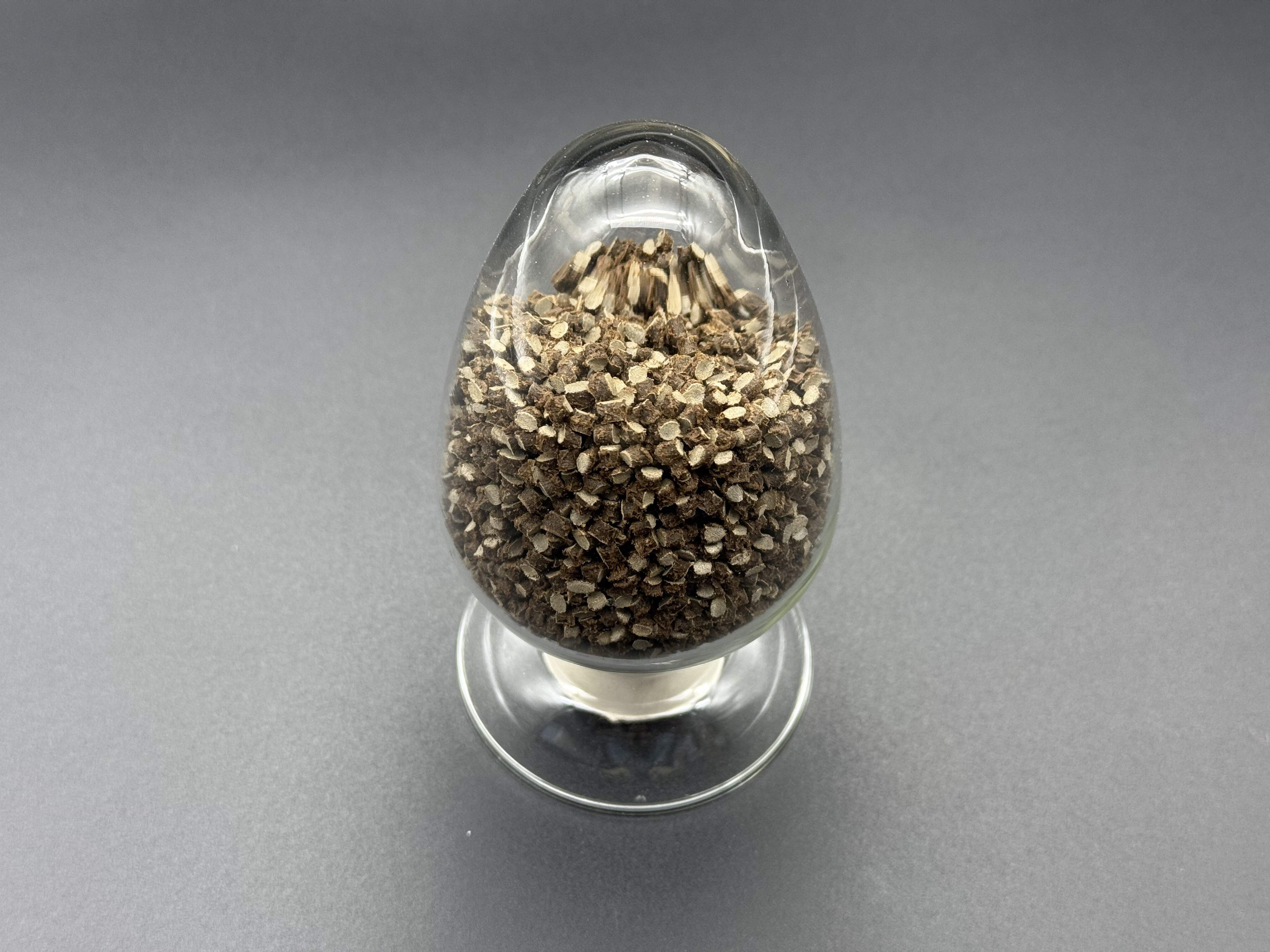
Selecting a reliable supplier for Spartina alterniflora biodegradable blend requires evaluating technical capability, sustainability credentials, and supply chain reliability. Buyers should prioritize partners who demonstrate vertical integration from raw material sourcing to finished compound production.
Ensure your supplier can verify the origin of Spartina grass and agricultural waste. Transparent sourcing guarantees consistent material quality and supports your own sustainability reporting requirements.
A qualified partner provides application-specific formulation advice, helping you optimize the blend for your manufacturing process whether it involves injection molding, extrusion, or blow molding.
Verify that the material carries recognized certifications for industrial and home compostability. This protects your brand from greenwashing claims and ensures compliance with evolving plastic regulations.
Use this checklist to evaluate potential suppliers of Spartina alterniflora biodegradable blend and ensure your procurement decision minimizes risk while maximizing sustainability impact.
Procuring Spartina alterniflora biodegradable blend presents unique challenges that differ from conventional plastic sourcing. Understanding these common pitfalls helps buyers avoid costly mistakes and ensure successful implementation.
Plant-fiber based blends are inherently hygroscopic. Improper storage conditions lead to moisture absorption, causing processing defects like bubbles and surface imperfections. Always verify that your supplier uses desiccant packaging and recommends proper drying protocols before extrusion.
Uneven mixing of Spartina fibers with the resin matrix creates weak points in finished products. Request sample batches for mechanical testing before committing to large orders. Reputable suppliers maintain tight control over mixing parameters and conduct regular homogeneity checks.
Not all "biodegradable" materials decompose under real-world conditions. Some require specialized industrial facilities unavailable in your market. Verify compostability claims against local infrastructure capabilities and demand independent certification rather than relying on supplier marketing materials.
Harvest cycles for Spartina grass and agricultural waste create natural fluctuations in raw material availability. Work with suppliers who maintain strategic inventories and diversified sourcing networks to mitigate disruption risks during off-season periods.
The versatility of Spartina alterniflora biodegradable blend enables its use across diverse industries seeking to reduce environmental impact without sacrificing performance. From consumer packaging to agricultural implements, this material addresses end-of-life concerns in multiple sectors.
Shopping bags, mailers, and protective wrap materials benefit from the blend's flexibility and complete decomposition profile, eliminating post-consumer plastic waste in retail environments.
Cutlery, plates, cups, and food containers manufactured from this blend offer oil and moisture resistance while composting safely after single-use, addressing the massive waste stream from food delivery services.
Mulch films and crop covers designed to remain in soil after harvest eliminate expensive removal operations. The blend decomposes naturally, enriching soil organic matter rather than leaving microplastic contamination.
Device casings, trays, and protective packaging for electronics benefit from the blend's rigidity and static-dissipative properties, offering sustainable alternatives for high-value product protection.
Sanitary products, wet wipes, and personal care packaging address growing concerns about persistent waste in wastewater systems, offering fully dispersible and degradable alternatives.
3D printing filaments and craft materials enable schools and makerspaces to teach sustainability principles while creating tangible products from renewable resources.
Evaluating suppliers of Spartina alterniflora biodegradable blend requires looking beyond price to assess long-term partnership value. The following criteria help identify manufacturers capable of supporting your sustainability transition effectively.
Prioritize suppliers investing continuously in formulation improvement. Look for companies with dedicated research teams exploring new agricultural waste streams and refining processing techniques to enhance material performance.
Key Indicator: Regular publication of technical papers, patent filings, or documented improvements in mechanical properties and degradation rates.
Suppliers controlling the entire value chain from raw material collection to compound production offer superior quality control and cost efficiency. Vertical integration reduces dependency on external suppliers and ensures consistency.
Key Indicator: Ownership or long-term contracts with harvesting operations, in-house compounding facilities, and direct sales channels bypassing intermediaries.
For international procurement, select suppliers experienced in navigating diverse regulatory frameworks. They should maintain certifications recognized across multiple markets and provide documentation tailored to regional requirements.
Key Indicator: Portfolio of certifications including EN 13432, ASTM D6400, ISO 17088, and region-specific approvals for North American, European, and Asian markets.
The best suppliers function as technical consultants, not just material vendors. They help optimize part designs for biodegradable materials, troubleshoot processing issues, and develop custom formulations for specific applications.
Key Indicator: Availability of application engineers, rapid prototyping support, and willingness to collaborate on product development from concept through commercialization.
Answers to common procurement questions regarding Spartina alterniflora biodegradable blend, covering technical specifications, sustainability benefits, and practical application considerations.
Under industrial composting conditions meeting standard temperature and humidity requirements, Spartina-based blends typically achieve complete biodegradation within 90 to 180 days. In home compost environments, the process may extend to 6 to 12 months depending on ambient conditions. Marine biodegradation rates vary significantly based on water temperature and microbial activity, generally requiring longer exposure periods.
Yes, most Spartina alterniflora biodegradable blends are formulated to be compatible with standard thermoprocessing equipment including injection molders, extruders, and thermoformers. However, adjustments to processing temperatures, screw speeds, and drying protocols may be necessary. Our technical team provides comprehensive processing guidelines and on-site support to ensure smooth transition from conventional materials.
Spartina alterniflora is classified as an invasive species in many regions outside its native habitat. Harvesting this grass for material production actually benefits local ecosystems by controlling invasive spread and restoring native plant communities. Our sourcing programs work with local communities to establish sustainable harvesting practices that protect biodiversity while creating economic value from a problematic weed species.
Reputable Spartina biodegradable blends carry internationally recognized certifications including TUV Austria OK Compost INDUSTRIAL, BPI (Biodegradable Products Institute) certification for home composting, and DIN CERTCO compliance. These certifications require independent laboratory testing verifying complete decomposition into carbon dioxide, water, and biomass without leaving toxic residues.
Minimum order quantities vary based on formulation complexity and packaging requirements. Standard grades typically start at 1 metric ton per order, while custom formulations may require larger initial commitments to cover setup costs. We offer flexible trial order programs allowing customers to evaluate material performance before scaling to full production volumes.
Unlike corn-based PLA which requires specific composting conditions and has limited heat resistance, Spartina alterniflora biodegradable blend offers broader applicability across temperature ranges and degradation environments. The plant-fiber composition provides improved stiffness and dimensional stability compared to pure PLA, while maintaining comparable biodegradation rates. Additionally, Spartina-based materials do not compete with food production for agricultural land resources.
Privacy statement: Your privacy is very important to Us. Our company promises not to disclose your personal information to any external company with out your explicit permission.
Fill in more information so that we can get in touch with you faster
Privacy statement: Your privacy is very important to Us. Our company promises not to disclose your personal information to any external company with out your explicit permission.