

Please Leave Us A Message
Privacy statement: Your privacy is very important to Us. Our company promises not to disclose your personal information to any external company with out your explicit permission.
 Huanting Technology (Ningbo) Co., Ltd
Select Language
English


Mulch film for cotton is a specialized agricultural plastic used to cover soil around cotton plants during the growing season. Unlike traditional polyethylene films that persist in the field, modern solutions focus on biodegradable materials derived from natural plant waste.
For cotton growers, this technology offers a dual advantage: it optimizes soil temperature and moisture retention to boost early-season yields while eliminating the labor-intensive and environmentally damaging process of manual film removal after harvest.
Huanting Technology specializes in fully biodegradable modified resins that decompose naturally in the soil or ocean, reducing your carbon footprint and operational costs associated with waste disposal.
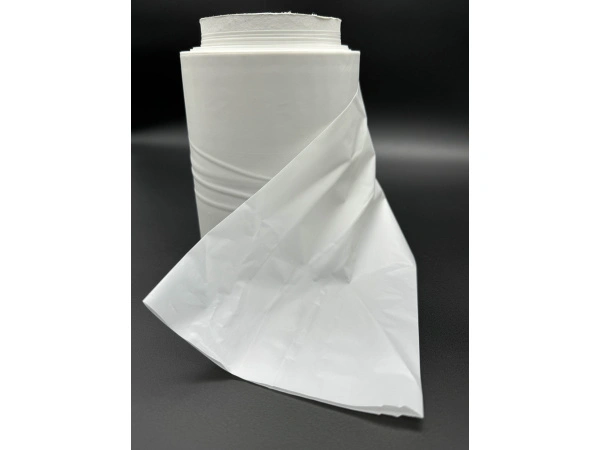
Our production facilities utilize advanced extrusion technology specifically calibrated for biodegradable polymers. This ensures consistent mechanical properties—such as tensile strength and elongation—that are critical for machinery compatibility during field application.
Batch Consistency: Every roll of mulch film undergoes rigorous testing to ensure uniform thickness and degradation rates. This reliability allows large-scale cotton operations to plan their planting schedules with confidence, knowing the film will perform predictably under varying weather conditions.
We prioritize low-energy consumption processes, aligning our manufacturing footprint with the sustainable values of our global clientele.
Selecting the appropriate mulch film for cotton requires balancing agronomic needs with regulatory compliance. Buyers must evaluate the decomposition timeline against the specific growth cycle of their cotton varieties.
Key Selection Criteria:
Ensure the film breaks down within 90-120 days, matching the post-harvest window to avoid interfering with the next planting season.
The film must withstand prolonged UV exposure during the growing season without becoming brittle or tearing prematurely.
Look for films certified by recognized bodies (e.g., BPI, DIN CERTCO) to verify true biodegradability and compostability.
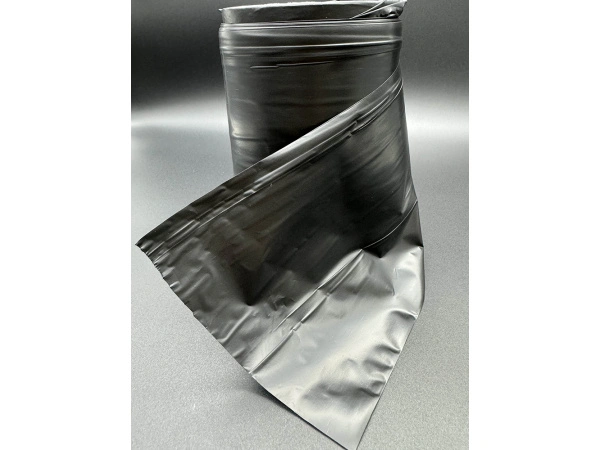
Use this checklist when evaluating suppliers of mulch film for cotton to ensure you meet both quality and sustainability targets.
Confirm the resin is derived from renewable plant sources (e.g., PLA, PBAT) rather than mixed with conventional PE.
Verify tensile strength and stretch limits are compatible with your automated planting equipment.
Request data sheets showing decomposition rates under local soil and climate conditions.
Assess the supplier's ability to provide consistent volumes and traceable raw material sources.
Many cotton farmers still face significant challenges due to the persistence of conventional plastics in the environment.
Traditional PE films fragment into microplastics that accumulate in soil, reducing water permeability and crop yields over time.
Manual removal of non-degradable mulch is expensive, physically demanding, and often incomplete.
Increasing regulations in key markets impose heavy fines for plastic pollution and improper waste disposal.
As an international top-notch research and development team, Huanting Technology (Ningbo) Co., Ltd. offers unique advantages for buyers seeking high-performance biodegradable mulch film for cotton.
Our custom-blended biodegradable resins offer superior mechanical strength compared to off-the-shelf alternatives, ensuring reliable performance during planting.
We convert agricultural waste fibers into valuable products, significantly lowering the carbon and water footprint of your supply chain.
Our advanced production capabilities allow us to support large-scale international orders with consistent quality and timely delivery.
No, our mulch films are designed to be compatible with standard agricultural transplanters and mulch-laying machines used for conventional plastics. The mechanical properties are engineered to match industry standards.
Decomposition rates depend on soil temperature, moisture, and microbial activity. Typically, the film begins to break down within 2-3 months and fully mineralizes within 6-12 months, depending on environmental conditions.
Yes, one of the primary benefits is the ability to plow the residual film directly into the field after harvest. This eliminates removal costs and improves soil organic matter as the residue decomposes.
Our products are developed to meet international compostability standards. We can provide specific certification documents (such as DIN CERTCO or BPI) upon request to verify compliance for your market.
We accommodate various order sizes to support both trial orders and large-scale seasonal procurement. Please contact our sales team for specific MOQ details tailored to your region and volume requirements.
Privacy statement: Your privacy is very important to Us. Our company promises not to disclose your personal information to any external company with out your explicit permission.
Fill in more information so that we can get in touch with you faster
Privacy statement: Your privacy is very important to Us. Our company promises not to disclose your personal information to any external company with out your explicit permission.